




























The piece by Prakash Singh, former DG, UP police, titled “100% tolerance for corruption” in the July issue was worthy not only for highlighting the issue but for coming from a person who has been an important part of the system. It stirs the conscience. Corruption does not make people squirm or flinch at the mention of it anymore. Rather, people now look for such facilitators who can make their lives a bit simpler. But the instances narrated put our entire edifice to shame. But, again, will that so much as cause a ripple?
An earlier issue carried an article by former Cabinet Secretary Prabhat Kumar, saying that most of the people filing applications under RTI were none other than those who could not make it to the civil services! This perception was a world apart from Prakash Singh’s. While the thinking and motives of the two former bureaucrats can be endlessly analysed, the issues of inefficiency and corruption remain important.
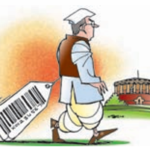
More than politicians, it is officialdom which is responsible for this wrong-doing. A politician’s public perception and method to achieve his ends can be fulfilled only through the bureaucracy; the onus thus lies on the latter to guide, perform and deliver. And if that component becomes ineffective or collusive, then the entire cycle changes speed and tone. A slight deviation would result in corrupt practice and it goes on increasing.
Corruption emanates from absolute power, absence of accountability and ignorance. The administrative system inherited from the British gives unbridled power and authority but it fails to fix responsibility. The culmination or the end report is never assessed, the good and the bad are not identified. Or else how could so many Commissioners go with excellent ACRs in MCD when there are flagrant violations?
Transparency International has time and again highlighted India’s record. We profess to be a land of seers and great thinkers. We claim to be the inheritors of a profound culture, philosophy, civilization and education. We occupy an enviable position in world history. Yet, paradoxically, our position is a matter of concern.
A high-ranking official in the
Planning Commission, who was
cited for a major penalty by the
CVC, was allowed to complete his
term. There could be no political
compulsion to have him there
There is underlying unrest in the nation today. There might be sporadic expression of it but the undercurrent is very strong. This indicates the gruelling misfortune of the common man. Attacks on law-enforcing personnel and law-makers are indicative of what is imminent. Lack of a sense of belonging, the overriding demeanour of the authorities, failure of touted policies, denial of an equitable ratio of growth, and corruption lurking behind every edifice and babu – none seems to be
assessing the gravity of such a situation. People at the helm are too busy totting up their exploits. Agencies rope in minions, hoping to create an impact to meet their targets. Courts work at a snail’s pace. The common man, who is supposed to be the be all and end all of these systems, is ignored. Are these not the reasons for revolutions in history? The lesson seems to have been forgotten.
We may heap praise on an honest Prime Minister but doesn’t his spotless image get tarnished when he gathers people of dubious background around him! The case of a high-ranking official in the Planning Commission, who was cited for a major penalty by the CVC but was allowed to complete his term, is a pointer. There could be no political compulsion to have him there, yet he continued.
Corruption sprouts and then flowers because of change in the values and ethics of those who administer. The old ideals of morality, service and honesty have come to be regarded as a virtual anachronism. But responsiveness, accountability and transparency are a must for a clean system. Bureaucracy, the backbone of good governance, should be made more citizen-friendly, accountable, ethical and transparent. The RTI Act needs more teeth.
More courts are needed to dispense speedy and inexpensive justice. There are instances where officials are also hounded by seniors for not toeing the line and implicated in false charges. All such services matters should be fought with the concerned department paying the harassed staffer’s litigation costs. Why should an honest person be penalized and made to suffer financially too? A time-frame of three months should be fixed. In case found guilty, the official shall then foot the entire legal expense. Further, immunity provided to senior officers from prosecution should immediately be done away with. To protect the honour and rights of officers against harassment, if the charges are proved frivolous the perpetrators should not be spared.