



















Corruption and injustice have rotted our system to the core
“Slumdog is just every scrap of dirt picked up from every corner and piled up together to try and hit back at the growing might of India. And the awards almost seem like a sadistic effort to show the world – look, we knew that this was India, and these are the slumdogs we are outsourcing our jobs to,” writes Arindam Chaudhuri of The Sunday Indian. The angry Chaudhuri is a bit off tangent.
Writer Shobhaa De was more to the point: “I watched Slumdog Millionaire on a pirated CD and am reeling. As someone who has seen Mumbai turn from ‘The City of Gold’ to ‘The City of Muck’, this movie encapsulated the despair and desperation of Dharavi in a manner so gritty it was scary. It cut terrifyingly close to the bone as it took us straight into the innards of this brutal world, where wide-eyed kids lose their innocence (and their eyes) at the hands of ruthless gangsters who mutilate, maim, kidnap and kill at will.”
She has hit the nail on its head. India, the land of Gandhi and ahimsa, has been made brutal by corruption and injustice, says Aravind Adiga, winner of last year’s Man Booker Prize for his debut novel, The White Tiger.
That there is no access to justice for the poor is admitted by the Supreme Court itself. “ No man will dare to come to the Supreme Court. Only those who have Rs 50 crore, or Rs 100 crore or Rs 200 crore can come to the court. Why Supreme Court, it would even be difficult for them to approach the munsif court,” a three-judge Supreme Court bench of Justices BN Aggrawal, GS Singhvi and Aftab Alam observed the other day. Can there be a more damning indictment on the total failure of the justice system which is the bulwark of governance?
An independent, impartial and accessible judiciary and a speedy and efficient system are the very essence of civilization. However, our judiciary, by its very nature, has become ponderous, excruciatingly slow and inefficient and virtually inaccessible except for a few with money to spend. Imposition of an alien system, with archaic and dilatory procedures, has been extremely damaging to our governance and society.
As Nani Palkhivala observed, the progress of a civil suit in our courts of law is the closest thing to eternity we can experience! Our laws and their interpretation and adjudication have led to enormous misery for the litigants
‘The growing might of India’ cannot be sustained by mere GDP growth or technology excellence. These concern the body and we need the soul for sustenance. Brutality torments the soul and no nation can be mighty with its soul in torment
As eminent jurist Nani Palkhivala once observed, the progress of a civil suit in our courts of law is the closest thing to eternity we can experience! Our laws and their interpretation and adjudication have led to enormous misery for the litigants and forced people to look for extra-legal alternatives. Anyone faced with litigation, particularly those who are on the wrong side of governments and banks, can easily understand the cruelty and heartlessness of the justice system. What is worse, powerful litigants like governments and banks can get away with the worst form of lies and perjury because they represent “public interest” as against the “private interest” of the aam aadmi. In the event, justice gets brutalized.
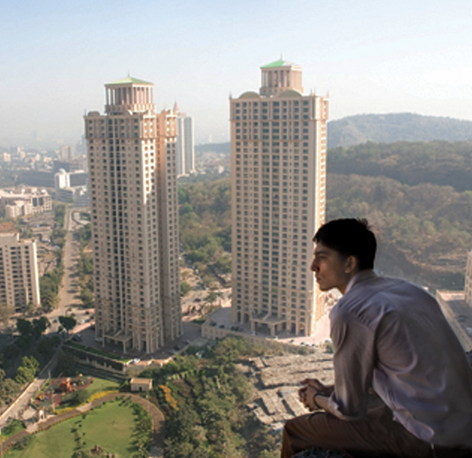
Corruption is the worst form of brutality and poverty is its true manifestation. Even though India’s poverty rate has dropped from 60 to 42 per cent according to the World Bank, the number of Indians scraping by on less than Rs 60 a day is an astronomical 467 million. That hunger has almost half the Indian population in its grip is not all that this figure implies. Among huge swathes of India’s poor, life is little more than a bare, often brutalized attempt at staying alive, a struggle in many cases hijacked by human trafficking, deemed by the United Nations the world’s third largest illicit industry after arms and drugs. Extreme poverty and the low premium traditionally placed on female lives sees thousands of girls, most of them mere children rather than women, sold into unmitigated hell by family members and acquaintances.
Unjust management of land that deprives the small and marginal farmers of their home and livelihood is another brutality. This is what the Special Economic Zones (SEZs) do. While at national and political level debates abound on the policy issues involved, from the size of SEZs to fiscal impact to “processing area”, the human impact of such exclusive development has often been neglected. Mad pursuit of this “real estate” business as described by the Reserve Bank of India will lead to largescale displacement and consequent impoverishment of millions of already neglected citizens. From available estimates, SEZs are likely to usurp 200,000 hectares of mostly prime agricultural land, which will displace at least one million people whose survival depend on it. At a time when India is fast urbanizing and the crunch for natural resources is becoming more severe by the day, inequality of this kind leads to discontent at best, to a democratic breakdown at worst. The uprising of landed and landless peasants of Nandigram in West Bengal against the setting up of a Chemical SEZ in 2007, followed by violent state repression, highlights the brutality inherent in such a policy pursuit.
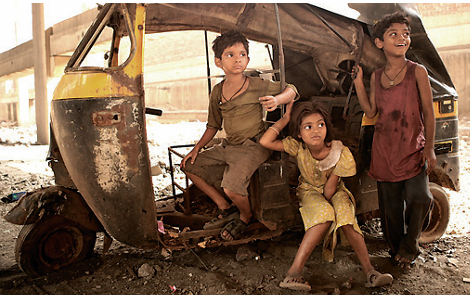
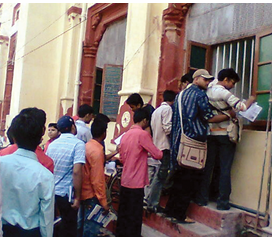
With regard to administrative justice, it is rare to find it these days and whatever there is seems to be reserved for those with money and muscle. Volumes can be written about police brutality and the failure of the administrative system to render justice to the poor and the weak. Looking at the happenings, one is left with a haunting feeling that most members of India’s elite administrative and police services are afraid to deliver justice even in the most deserving cases. The result is brutalization of governance!
“The growing might of India” cannot be sustained by mere GDP growth or technology excellence. These concern the body and we need the soul for sustenance. Brutality torments the soul and no nation can be mighty with its soul in torment.

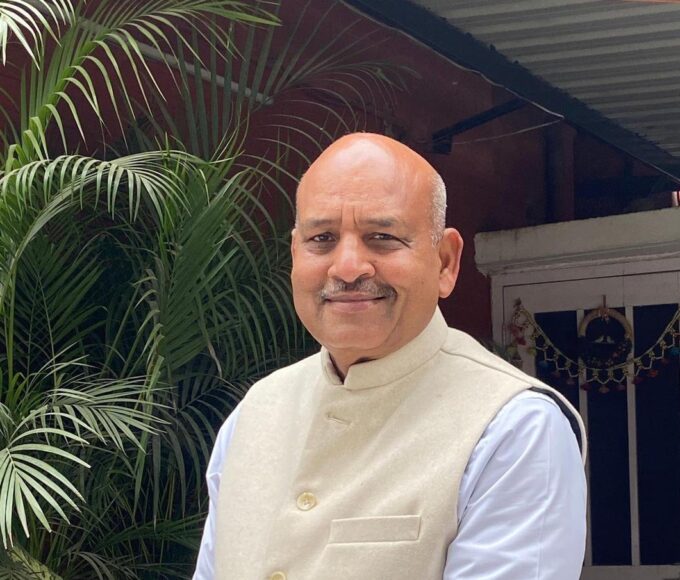
IAS (retd) with a distinguished career of 40 years - worked in Army, Govt, Private, Politics & NGOs.