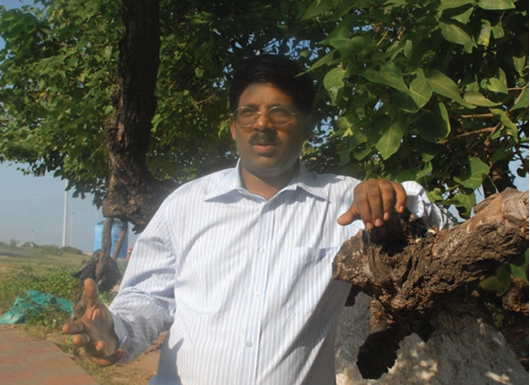








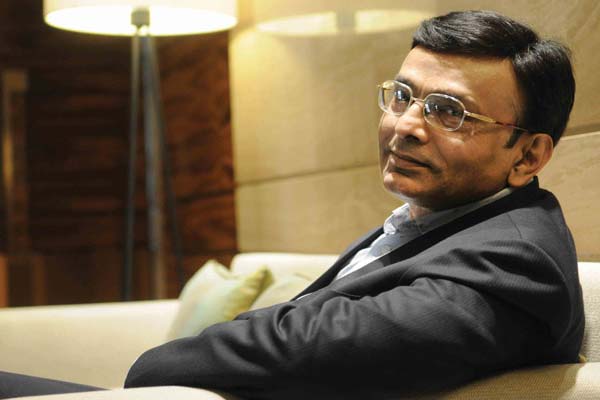













Loveleen Kacker is a versatile officer given to the world of books. The Joint Secretary (Child Welfare) in the Ministry of Women and Child Development holds a doctorate in social anthropology and is a prolific fiction writer. After 16 books of fiction, the latest – Study on Child Abuse: INDIA 2007 – is based on searing fact and is a gargantuan compilation of the results of a unique survey. It is the first study in the world to have been conducted on such a large scale – 13 states with a total survey sample size of 12,447 children, 2,324 young adults and 2,449 stakeholders.
Indian children constitute 19 per cent of the world total and an unknown number of them are subject to physical, sexual and emotional abuse – including neglect of the girl child. Till recently, the extent and magnitude of child abuse in India was yet to be fully comprehended for want of empirical data. Due to this, policymakers failed to address the issue. In 2005, Kacker’s ministry took the initiative to undertake a national study on child abuse. She remained involved from the conception of the study to its completion.
After generating data around 135 variables, Kacker, as team leader, faced the challenge of analysing it and writing the report. Her educational background came in handy and she was able to bring out the monumental report in three months. It contains startling revelations about child abuse in India and, describing how she feels after completion of the project, she sighs, “It’s sad because a researcher may feel euphoria but as a society we are not fair to children.”
The study revealed that two out of every three children were physically abused, a majority being boys. In family situations, about 90 per cent of physically abused children were abused by their parents. Two out of three children were victims of corporal punishment. Half of the children worked seven days a week. Sadly, most children did not report the matter to anyone.
Half the children were victims of sexual abuse, with the incidence of sexual abuse being highest in Andhra Pradesh, Assam, Bihar and Delhi. An equal number of boys and girls were sexually abused. Sexual assault was highest in Assam, Andhra Pradesh, Bihar and Delhi. Street children, children at work and in institutions were the greatest victims of sexual abuse. In half the cases, the abusers were known to the children and the victims did not tell anyone.
Emotional abuse afflicted every second child and involved an equal percentage of boys and girls. In 83 per cent of the cases, parents were the abusers. And 48.4 per cent of girls wished they were boys.
Kacker believes sex education by parents and school, coupled with proper legislative support, can tackle the problem considerably. She is already thinking of her next project – juvenile delinquency.