




















THEunnecessary spat between the Governments of Malaysia and India resulted from a crude combination of regional and tribal chauvinism and the imperatives of coali tion politics in which the Prime Minister played a pathetic second fiddle.
Tamil Nadu Chief Minister M Karunanidhi’s gratuitous remarks about the situation of Malays of Tamil origin were totally out of place.Under the Constitution, foreign affairs is the domain of the Central government.
This is not the first time Karunanidhi has embarrassed the Centre.Earlier,he penned an elegy for a senior Liberation Tigers of Tamil Eelam (LTTE) func tionary who was killed in a Sri Lankan air raid,forgetting that the LTTE is a ter rorist organization in the eyes of most of the world.
The Manmohan Singh government swallowed the embarrassment owing to coalition arithmetic.Not only that,the Prime Minister himself made remarks about the situation of ethnic Indians in Malayasia.That is tantamount to gross interference in a country’s internal affairs!
No wonder these intemperate remarks raised the dander of the Malaysian government which in turn was compelled to tell both the Centre and Tamil Nadu governments to lay off.
Both governments emerged from the episode with lowered dignity without in any way helping the cause of the ethnic Indians. In fact, the situation for their leaders worsened with the Malaysian government accusing them of having links with terrorist organizations,partic ularly the LTTE.
Contrast this with the situation in 1972 when Idi Amin’s government in Uganda expelled persons of Indian ori gin in a span of three months in 1972 Neither Manmohan Singh’s Congress nor any of the Tamil leaders made any public protest about this brutal uproot ing of ethnic Indians who had lived there for generations.
Recently,when the British government tried to arbitrar ily change the visa status of Indians working in the UK with many facing the prospect of a sudden return to India, the Government of India did not even make a proforma protest to the UK authorities on behalf of its own citizens.
When Britain tried to
change the visa status of
Indians working in the
UK, the government did
not even protest

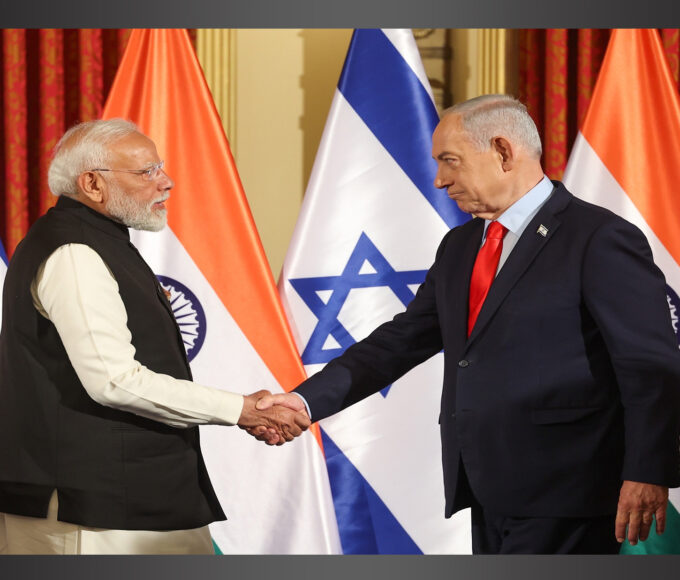
There are lessons to be learned from all this.Dealing with foreign govern ments has to be the domain of the Ministry of External Affairs. The Constitution mandates that foreign affairs falls within the sole purview of the Central government which should abundantly make clear to all regional satraps that they should not interfere in the conduct of foreign relations and embarrass the nation.
If the Prime Minister had even hinted to Karunanidhi to lay off, then the Malaysians would probably have been spared having to do so.
Espousing the cause of ethnic Indian communities is always tricky.We as Indians can and should empathize with them but a careful line has to be drawn so as to ensure that this is not perceived as interference in any country’s internal affairs.All countries are prickly about sovereignty.
The same MPs who protest about alleged mistreatment of ethnic Malay Indians are also up in arms against some Islamic countries when they talk about mistreatment of Indian Muslims.
We showed greater maturity as a young nation in dealing with sensitive issues of diaspora in the early years of independ ence because the Central government ensured that India spoke with one voice with its international interlocutors.
There was much quiet diplomacy involved and matters were not raised to Ministerial or Prime Ministerial level, unless in support of the official parleys.
In the case of the Malay Indians,the situation was vitiated by crass Tamil chauvinism.When Karunanidhi spoke, it was as a Tamil and not as an Indian.
Intemperate outbursts against foreign governments often result in equally exasperated responses from them for they have no coalition compulsions.
Given that Karunanidhi is first and fore most a politician who is dependent on Tamil votes,he probably could not have reacted in a sophisticated manner and probably did not want to.
But was there a need for the Prime Minister to raise the debate at his level when a statement by the official spokesman of the Ministry of External Affairs could have served equally well in making a proforma protest,if it was necessary to do so?
The pressures and imperatives of coalition politics probably made the Prime Minister do so.
But the office of the Prime Minister is too important and should not be allowed to be subject in this manner to a regional satrap who has a parochial and limited agenda as opposed to the inter est of the natio
