







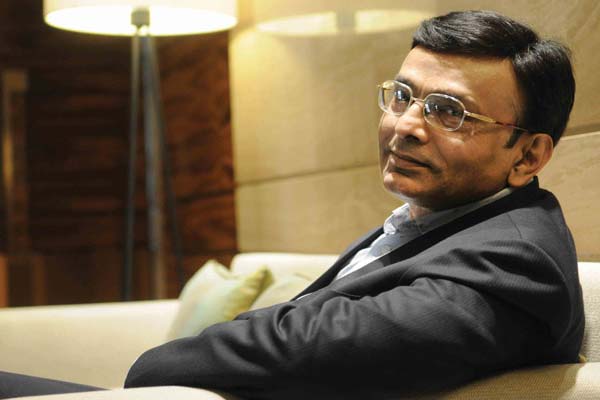










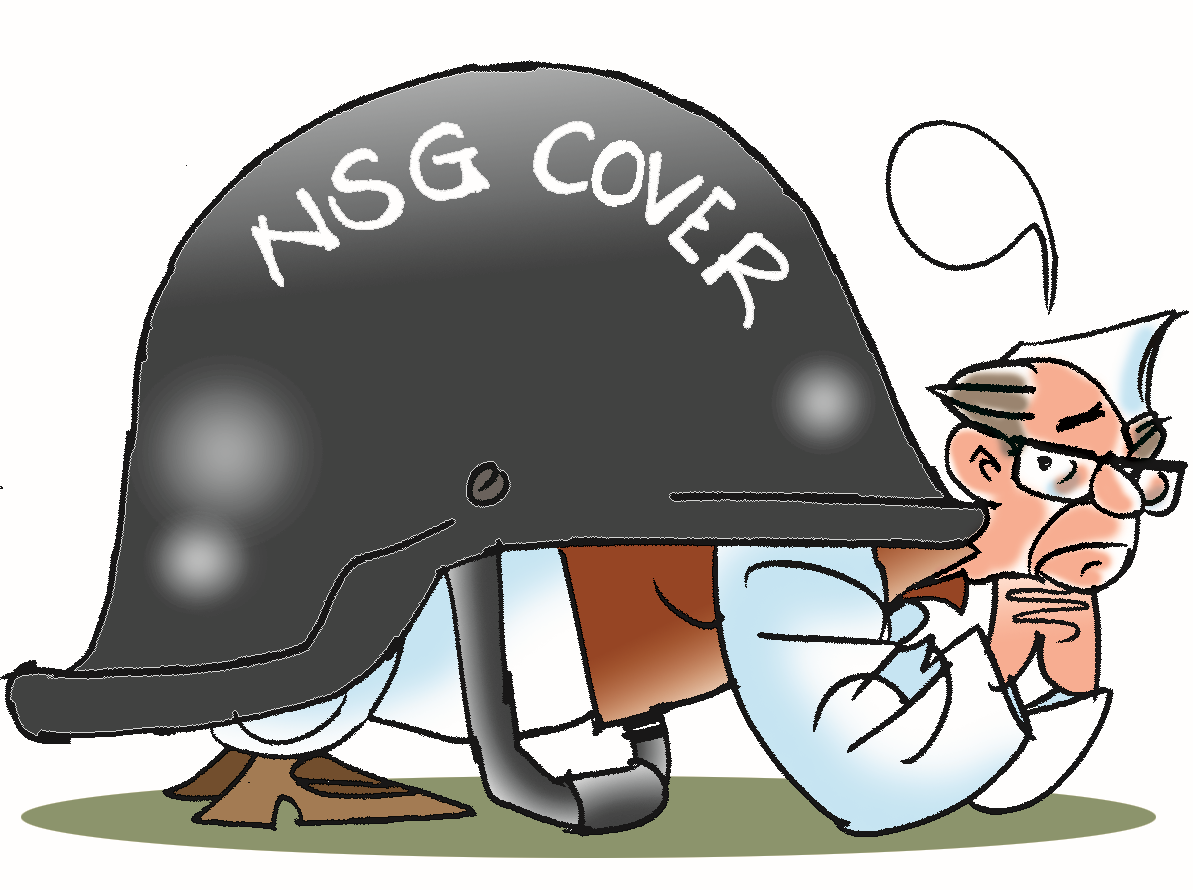
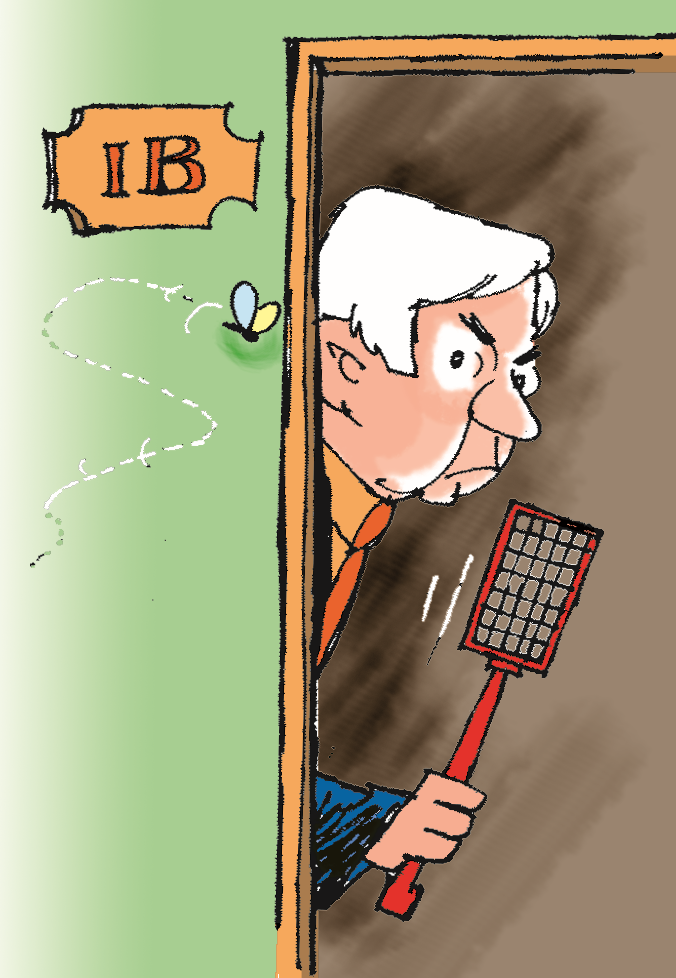
Home Minister Shivraj Patil’s was not the only head to roll in the wake of the Mumbai terror attack. The axe has also fallen on the Director of the Intelligence Bureau, PC Halder – a 1970-batch IPS officer of the Bihar cadre – for the intelligence failure. However, though the government initially decided to remove him immediately, he has been allowed to continue till his retirement date of January 31, 2009. His successor has been announced: Rajiv Mathur, a 1972 batch IPS officer from the Uttar Pradesh cadre.
The government was unhappy also with the input provided by Halder before the recently concluded Assembly polls in Rajasthan, Delhi, Chhattisgarh and Madhya Pradesh. Halder apparently predicted Congress victories in Madhya Pradesh and Chhattisgarh, and defeat in Delhi and Rajasthan – the very opposite of what happened.
Most interesting is that the new Home Minister, P Chidambaram, went to Halder’s room and asked him to virtually be idle and let Mathur handle all the work. Also, Halder’s dream of being nominated Governor of a state after retirement now lies in shards.
Meanwhile, National Security Advisor MK Narayanan, a retired IPS officer of the 1958 batch, offered to resign. But the government did not want to lose an experienced officer (he has been Director, Intelligence Bureau twice, during 1989 1990 and again during 1991-1992). Besides, he is in Sonia Gandhi’s good books. So he was asked to continue in the national interest.
Anti-terror Bill brings Gupta accolades
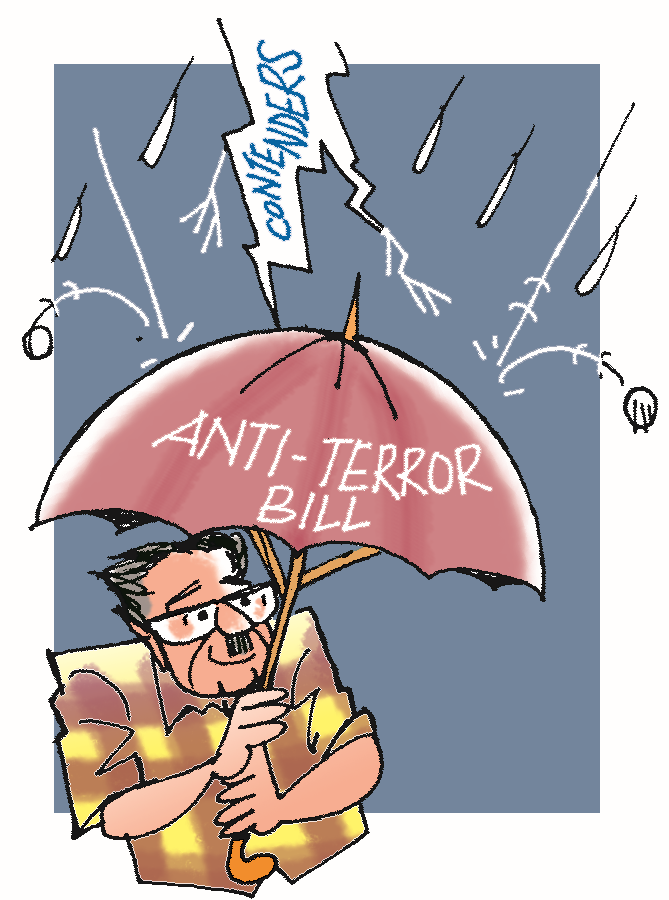
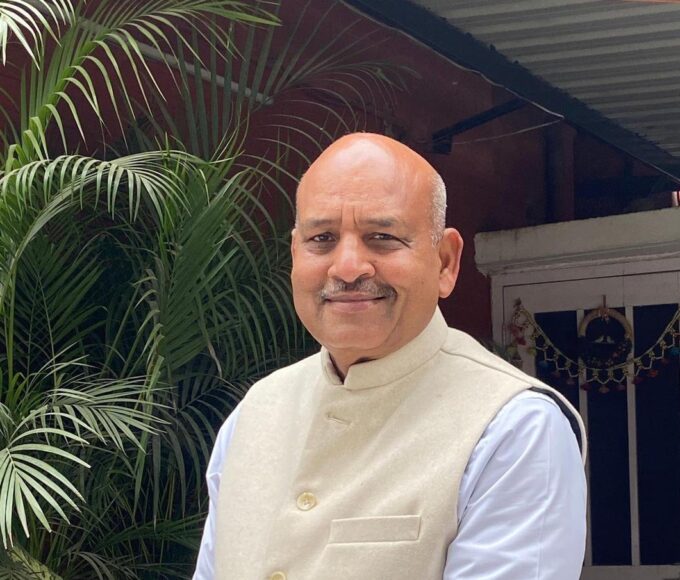
The move to dislodge Home Secretary Madhukar Gupta, a 1971-batch IAS officer from the Uttarakhand cadre, achieved momentum after the Mumbai attack. Many contenders stepped into the fray, including Commerce Secretary GK Pillai, Labour Secretary Sudha Pillai and Information & Broadcasting Secretary Sushma Singh.
But Gupta survived, bypassing all speculation. Sources at North Block reveal that the Home Ministry had started drafting the anti-terror Bill much before the Mumbai incident and Gupta was the main architect. The attack merely paved the way for its tabling in Parliament. Once it becomes law, Gupta might be shifted to the Inter-State Council as Secretary.
Less crack commandos for VVIPs
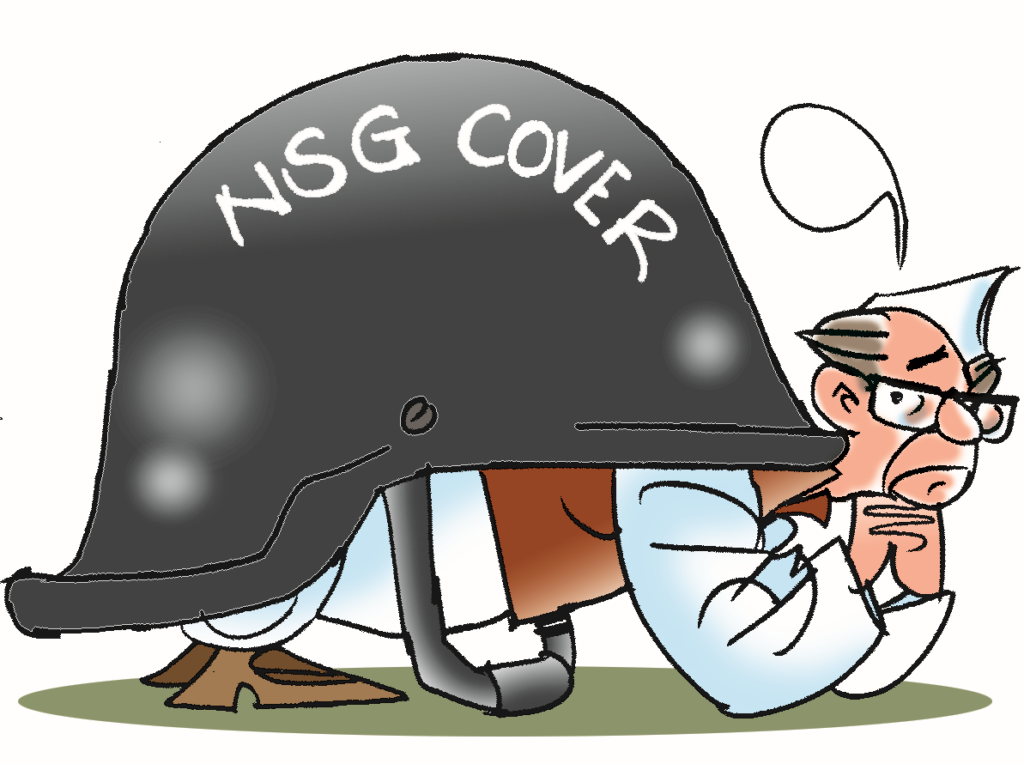
The Mumbai attack has achieved what public castigation could not. The government is seriously considering trimming the number of commandos involved in VVIP security. Twenty per cent of the total strength of the National Security Guards (NSG), CRPF and local police is engaged in this unproductive task.
Enforcing that charity begins at home, Minister P Chidambaram has already curtailed his own security. The move is also aimed at pre-empting any political pressures from those who have for so long been the beneficiaries of such security.
It’s just as well that Chidambaram has a reputation for being blunt and inaccessible to MPs and Ministers. The signal emanating from North Block is loud and clear – no going back on this decision.
Love among guns and chinars
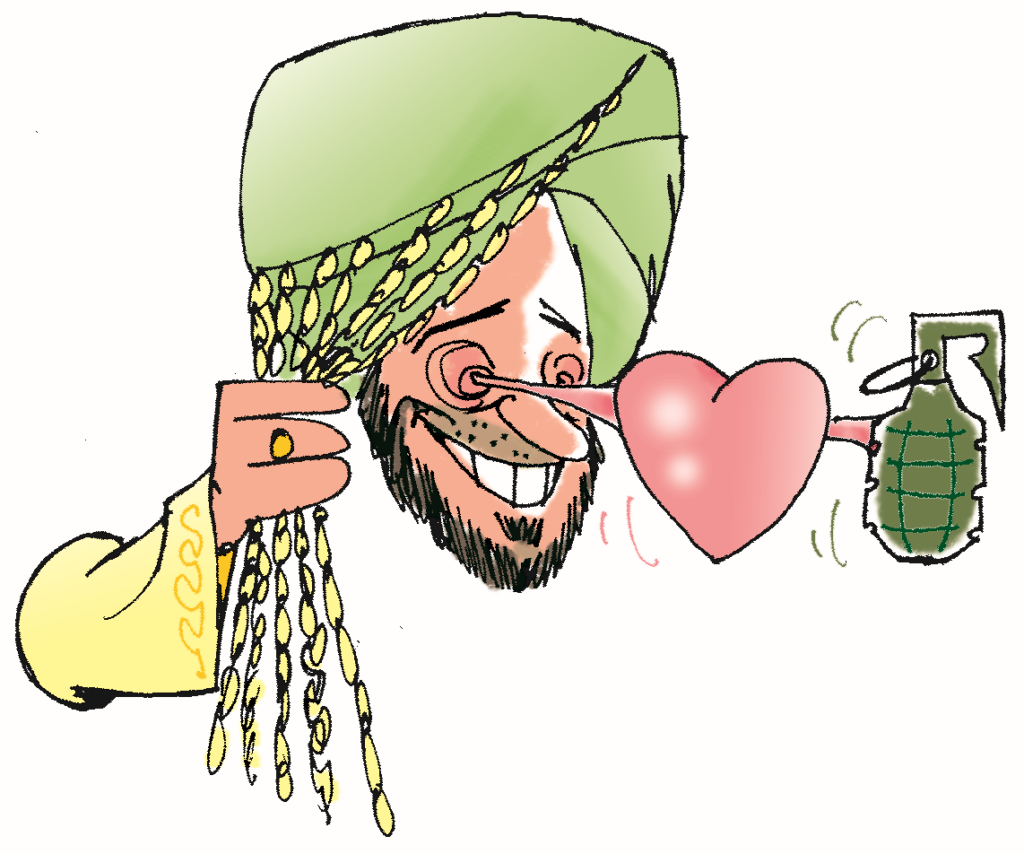
One definite advantage that militancy has brought to Kashmir’s separatist leaders is spouses from wealthy families. JKLF Chairman Yaseen Malik is engaged to Mushaal Hussein Mullick. The ring ceremony took place on October 24 in Islamabad. A student at the London School of Economics, Mushaal paints and also supports charities and NGOs working on gender issues.
Earlier, Aasiya Andrabi, chief of the Dukhtaran-e-Milliat (Daughters of the Nation), was the first to select a militant leader, Ashiq Hussain Fakhtoo, as her beau. After marriage, both were arrested. She spent two years in jail while Fakhtoo is serving a life term. The couple has a son.
Shabbir Shah, who used to be called the Nelson Mandela of Kashmir during detention, married Bilkeez – a doctor from Doda district. Shah’s aide, Nayeem Khan, married Hamida – a university lecturer of English. Most recently, in 2002, Sajjad Lone married JKLF chief Amanullah Khan’s daughter, Asma, in Rawalpindi. Mirwaiz Umar Farooq, chief of the APHC’s moderate faction, married American-born Kashmiri Sheeba Masoodi – publisher of a women’s magazine in English that ran into controversy the day it was launched.
Interestingly, both Malik and Shah had said they were wedded to the “Kashmiri freedom movement” and would not marry until their goal was achieved.