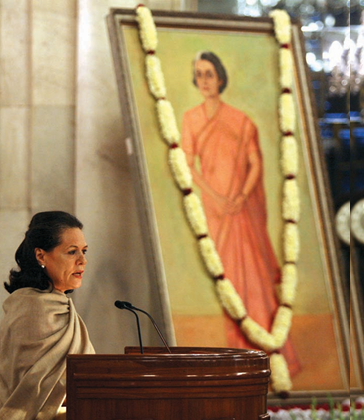

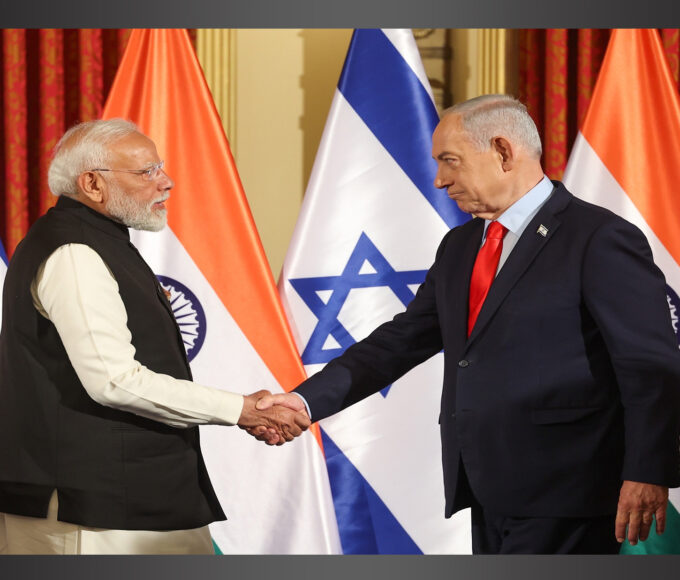


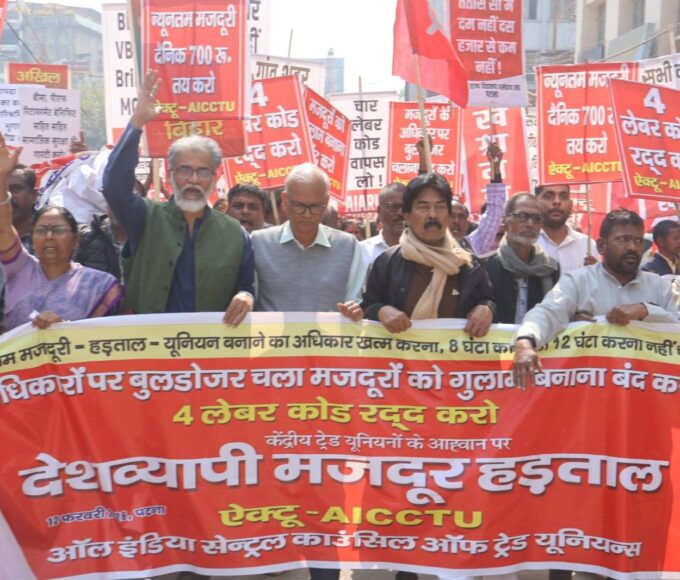

















The faces you see on the cover will be giving guidance, instructions and direction to India’s Steel Frame – the bureaucracy – on where to take the nation over the next five years. And it is every citizen’s fervent hope that the onerous task of governance that lies ahead will be accomplished with First Principles as the beacon: accountability, fairness, justice, and equity.
These attributes are dinned into the heads of civil servants by academy instructors and guest lecturers when they are in training, as well as caring mentors when they enter the rough and tumble world of district administrations or the secretariats in Delhi and state capitals. And as they come face to face with the stark reality of electoral politics some of them stumble, others sit on the fence, while most of them go along to get along. A few emerge as whistleblowers and face the wrath of official retaliation for having dared to expose waste, fraud and corruption.
Small wonder then, that civil servants begin to wonder about the dictum that they are the servants of the people of this country on whose general will rests the sovereignty of the state, rather than of their political bosses. Actually, this dilemma is rooted in the country’s Constitution in which the lines between the executive and legislative branches of government are blurred. Ministers are executives (because they head and administer their departments) as well as legislators who answer, ultimately, not to any independent scrutiny but rather to themselves!
The situation for civil servants worsens when they have to listen to conflicting diktats from coalition government partners and rump groups in a power-sharing arrangement when there is no clear party majority at the Centre. This time, after India’s first Premier, Jawaharlal Nehru, a Prime Minister has won a successive second term with a comfortable margin and looks set to last for the next five years.
This stability should breed more confidence in the Prime Minister’s team. It should feel secure enough not to interfere with civil servants carrying out the executive mandate. In this issue our analysts have focused on several critical areas that need to be tackled with steely resolve by the Prime Minister and his Council of Ministers: restoring the fundamentals of good governance; adjusting to new global challenges to national security; reforms in the rural sector; regulatory imperatives in finance and banking; sorely needed reorganization, and restructuring the administration of the armed service.
The new government does not lack finances or resources or talent. But it must demonstrate – in keeping with its national mandate for change and good governance – an iron will to deliver without fear or favour.

Inderjit Badhwar
Inderjit Badhwaris a veteran journalist, novelist and the former editor of India Today. He has written for various Indian and American newspapers and magazines, including The New York Times and Outlook. Now based in New Delhi, Badhwar heads gfiles, India's first magazine on the Civil Services of India.