

























The story of a Dalit politician’s rise to eminence
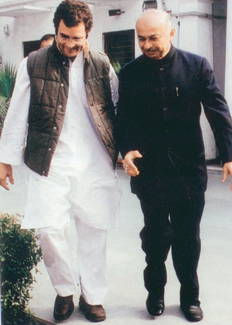
Sushil Kumar Shinde, a Dalit, had a Brahmin friend in childhood who often invited him to his house where they would play and even eat together. It was unusual, for Dalits were not allowed inside the houses of the upper castes. The Brahmin boy’s father was comparatively liberal. However, there was one place – the devghar or puja room – where Shinde was not allowed entry.
The experience probably went a long way in forming Shinde’s character. He became something of a semi-atheist. He has never taken the oath of office as a Minister “in the name of God”. But he bears no acrimony towards the upper castes or any bitterness towards anyone. He participates in festivals like Ganesh Chaturthi. In his own words: “My conviction is to work and work harder, excel in my chosen field and above all, create friends. I think this attitude has paid me rich dividends. How else could a person in my position achieve so much?”
Since childhood, Shinde made continuous efforts to learn, and his learning included even “etiquette, finesse of language and table manners”. The things that are ingrown in an upper-caste boy have to be learned painstakingly by a Dalit boy in order to fit into society. Perhaps this explains why so few Dalits are able to rise to a position of eminence. Shinde is an exception, displaying the determination and dedication that distinguish his character.
He decided he would be an actor and learnt to speak in the upper caste way. However, under pressure, he would sometimes revert to his natural pronunciation. With help, he overcame that too and won medals for acting. He got a job in a court, while still carrying on with his studies. Bold and straightforward, he was able to get through the selection process and started the life of a police sub-inspector in the CID.
Having crossed the initial barrier, he passed milestones one after another. For a Dalit boy, the status of a police sub-inspector could have been the height of achievement. Not for Shinde. He does not believe in destiny, but he was destined to ascend higher. He dreamed of leaving his job and trying his hand at legal practice. But a young leader named Sharad Pawar drew him into politics. He was a good speaker, but when the first opportunity came to impress senior political leaders at a meeting, he could not mouth more than a line: “Strengthen the hands of the Prime Minister.” But this failure would turn out to be a precursor of success. Given his traits, it was obvious that he would try hard to become an orator, and he did. Even Bal Thackeray once said, “I would have appointed Sushilkumar the chief minister long ago had it been within my authority.”
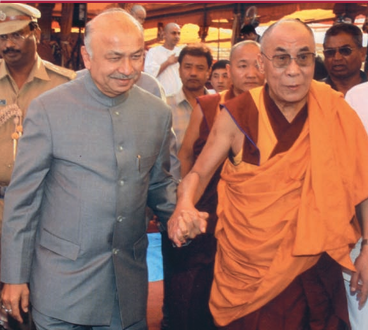
Many such stories make this an interesting and enjoyable read. Shinde once went to the Mahalaxmi temple in a state of depression. He was “…feeling defenceless due to the untimely demise of his doting father some years earlier and with no prospect in life. His caste, his surroundings and his two illiterate mothers were all he had. …There was not enough to eat, no support forthcoming to continue his education.” This obstacle, too, was overcome as were so many throughout his life.
The book presents the little-known Shinde. However, being an official biography, one must not expect any critical evaluation. Other such biographies become banal but that is not the case with this book. The rise to eminence of those who come from the lowest rung is always fascinating. And the glimpses of the private persona of this politician are rewarding. The book leaves the reader with an understanding of the secret behind Shinde’s popularity.