

























Making intelligence agencies the scapegoat is myopic
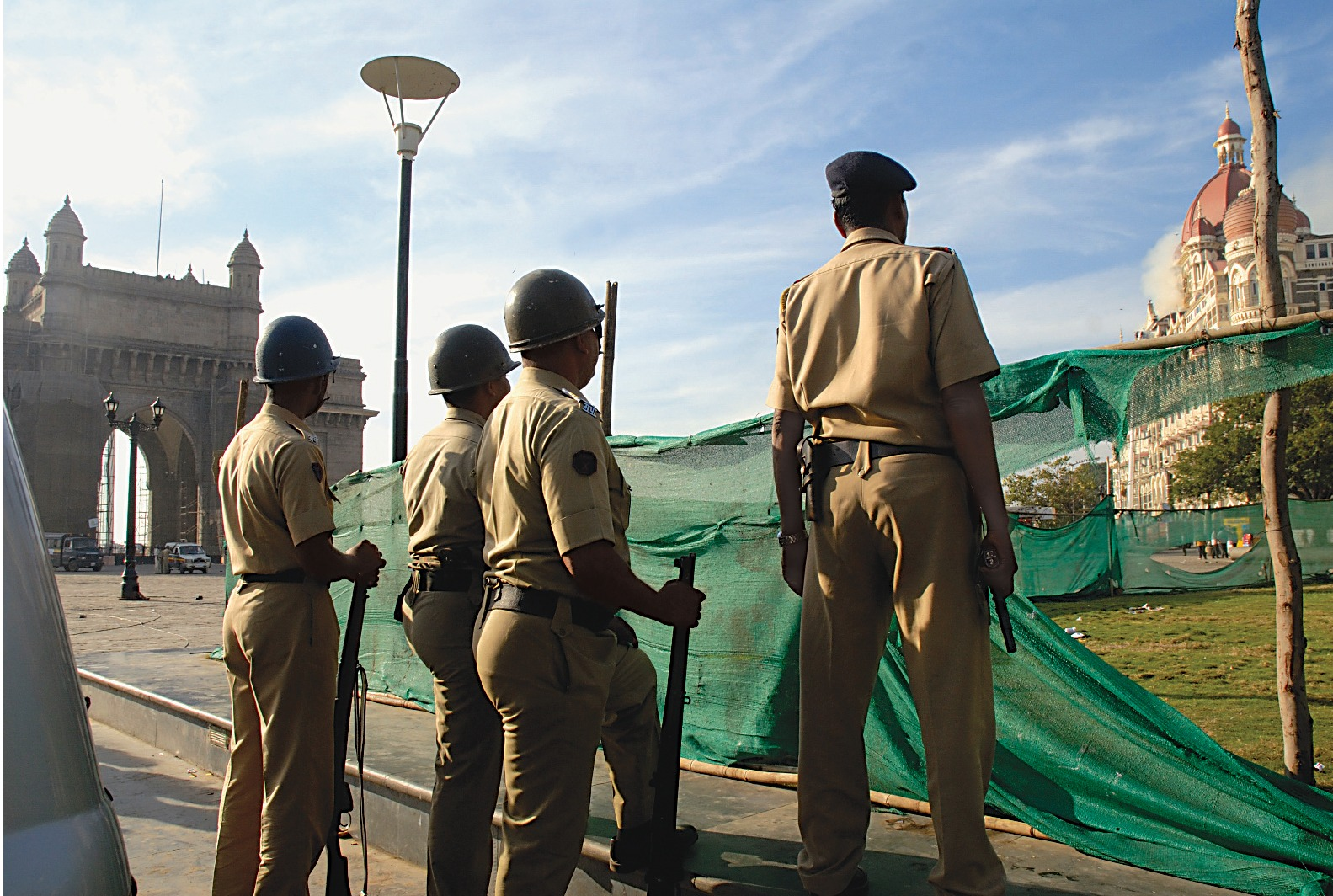
The daring terrorist raids in Mumbai, when a small number of jehadi terrorists held the city to ransom for three days and killed nearly 200 people, has exposed a number of chinks in our counterterrorism machinery. Its weaknesses in almost all avenues of the counterterrorism process were laid bare. These range from evolving a concept to acquire information to executing an action plan based upon processed intelligence. And the failure involved almost all stakeholders.
Undoubtedly, intelligence failure was one of the main causes for the poor performance of the government. But it would be shortsighted to make a scapegoat of intelligence agencies for it. In combating terrorism, intelligence is everyone’s business. Of course, gathering specific information relating to terrorist activities at home and abroad and processing it into assessed intelligence for action is the primary responsibility of the Intelligence Bureau (IB), the Research and Analysis Wing (RAW), and police anti-terrorist and intelligence bodies of states. They did not perform with the competency required for combating terrorism. But that is only part of it.
However, there are other important players in the national intelligence community like the intelligence echelons of the armed forces, the Border Security Force’s intelligence wing, customs and revenue intelligence bodies, and the criminal intelligence setups at state level. These agencies have a large pool of specialists in their own spheres that could provide useful insights into terrorists and their activities. Such areas of relevance include terrorist techniques and weaponry, their sources of finance and money laundering channels used by them, trans-border and maritime smuggling routes available to terrorists, and benami transactions at home through which front organizations of terrorists in India are supported. This large intelligence resource is not fully tapped for the nuggets of unprocessed information they gather in their daily course of events seemingly unrelated to terrorist activities. There is no central clearing house for processing such information.
At present such information lies buried within the huge mass of information that flows through a myriad of these specialized agencies. However, if put together, these bits of information can fill up important gaps in evolving a complete picture of terrorists’ future course of action. Often this process comes to the fore only after the terrorist strike. For instance, in the case of the Mumbai attack, within a week useful pieces of information, no doubt unprocessed, surfaced from agencies other than national intelligence bodies. Most of them were already available with these agencies. For instance, UP police had recovered from a suspected Lashkar-e-Taibba (LeT) operative last year a sketch showing the targets of Mumbai attack with time and distance from the Mumbai boat jetties. This important bit of information was never followed up beyond including it in the chargesheet filed in a court in UP!
Such aberration results in inadequate or incomplete processing of information leading to incorrect response and dissipation of intelligence resources. This appears to be the biggest lacuna in our national approach to intelligence. With modern information technology-based tools available, large volumes of related information can easily be processed in real time. And, in a war against terror, the entire gamut of intelligence agencies and the police and security agencies, including specialized agencies like the National Security Guard, should be integrated on a common intelligence grid.
A second aspect is about “actionable intelligence”. It is now confirmed that both RAW and IB had given information on the LeT training its cadres for carrying out a sea-based raid on key targets in Mumbai well in advance. In fact, the IB had forwarded the details of trainees, training schedule and trainers to Mumbai police as early as December 2006. And the Mumbai police had put on alert the hotels that were subsequently targeted. Later, they lifted the alert because the police felt the information was too generalized. The RAW information was sent to the Navy and the Coast Guard. Despite this, the naval chief said the information provided was not “actionable” while the police said it was too generalized.
The intelligence agencies, the police and the Navy are perhaps right in their own ways as their expectations were neither understood nor analysed by the intelligence providers. On the other hand, many stakeholders and media sections fail to understand that intelligence will never be complete or full. There is a need for the stakeholders to assess and follow up such information. Those who have to take action will have to evolve their own picture by fitting in bits and pieces of information that flow in with related information already available with them. This will assist in deciding their course of action. Evidently, this processing mechanism at the providers’ and users’ ends are not working with the seriousness and speed required to tackle the terrorist threat.
There is also the semantics of information. For the Navy, “actionable intelligence” has to point to at least a likely area in the vast oceans where the terrorists would be passing through. Generally, both RAW and IB think their job is over once they pass on the information to the users. It is important they interact with the users regularly to understand the grey areas and assist them in evolving a fuller understanding of the situation. Unfortunately, such a relationship does not exist at present.
These are only a few of the fundamental problems waiting to be tackled. Mere cosmetic action like the resignation of non-effective ministers or sacking of intelligence chiefs will not improve the situation. Counterterrorism is a serious business in which intelligence plays only one part. Zero tolerance towards terrorism, public involvement in security planning, making up the deficiencies in the security infrastructure, and accountability at all levels are some of the other imperatives for a successful war against terror. Otherwise, the federal agency proposed to be created will be yet another bureaucratic behemoth that is too bloated to be effective.
At present such information lies buried within the huge mass of information that flows through a myriad of these specialized agencies. However, if put together, these bits of information can fill up important gaps in evolving a complete picture of terrorists’ future course of action