













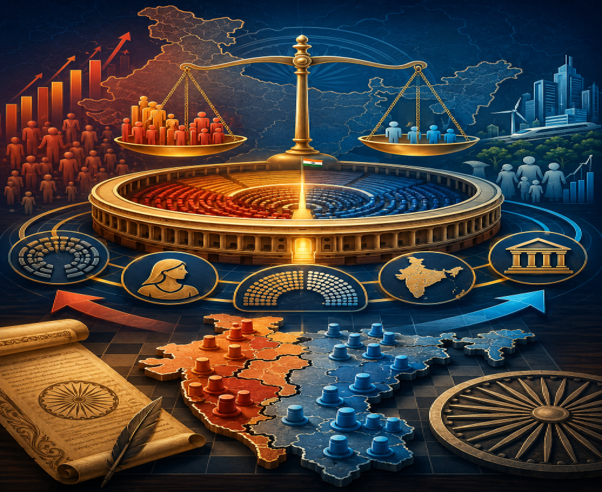












The middle class anger is due to panic – at the humongous failure of governance
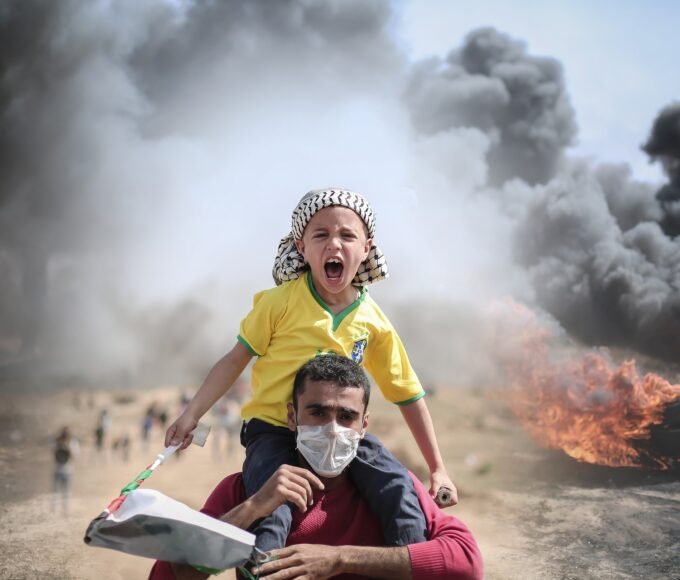
Anarchy has knocked at India’s doors for some years now. But citizens were awakened only when a band of twelve young heads on a suicide mission from Pakistan held Mumbai at gunpoint for over 50 hours, took 200 lives, and, more than that, exposed the hollowness of the system of governance. More than the deaths, what they exposed was much more harrowing for the Indian middle class – whose outbursts, condemnation of politicians, protests against politicians seeking to gain votes even from the tragedy, and peace marches were all symptoms of panic. The methods of protest and unity might have been inspired by America after 9/11 but it was widespread and even small towns were moved.
The Mumbai outrage has proved beyond doubt the main preoccupation of politicians of all brands and hues. Their overwhelming desire for power does spur them to use the administration but only for self-interest and not for serving the people who elect them to office. Bureaucrats function without any commitment to their oath or office. The lower rungs are corroded by the malaise of corruption. Law enforcement agencies do not function with cohesive and coordinated tune and tone. Civic bodies only attend to the needs of the rich.
The economy is open to manipulation by foreign capital coming for investment in either the property market or secondary markets with the sole purpose of profit and escape. The foreign capital does not augment the growth of the Indian economy by setting up units of production but only mops up life’s savings of middle class investors. The Finance Minister kept assuring that the global recession would not affect the Indian economy because of its sound fundamentals, while doing nothing to keep foreign capital from taking away profits mopped up from the middle classes’ losses. Everyone now has to pay more for survival while life’s savings are wiped out by the falling markets and recession.
India has faced terrorism longer than other countries. Opportunities were available to learn lessons and evolve an effective system of fighting terrorism. Yet terrorists march in at will, strike as they want and walk away
India has faced terrorism longer than other countries. Opportunities were available to learn lessons and evolve an effective system of fighting terrorism. Yet terrorists march in at will, strike as they want and walk away either through escape or death, leaving the system clueless about their objectives, masterminds, motivators, sources of resources and supplies, trainers and local guardians and agents.
The Marriot Hotel was blown up in Pakistan by terrorists in 2007. It ought to have set alarm bells ringing for our Home Minister and all officials connected with internal security. They ought to have immediately set up a team to prepare a blueprint for securing Indian hotels that could be targets. Was any such team created to work out details as well as to identify other areas that could be targets or identify routes that could be provide easy access for terrorist groups from outside?
All that followed the Mumbai outrage was a war among agencies to pass the buck. Secret memo notes were leaked to obliging media persons so as to expose how a warning was issued but no one took it seriously. Not even the agency that issued it. It did not ascertain that follow-up action was initiated by the concerned agencies. Its responsibility was over with the issue of the note.
There is a multiplicity of agencies for different tasks but their work overlaps in one respect. They are all related directly or indirectly to internal security affairs. However, there was no mechanism to coordinate cohesive functioning so that they can all contribute to fighting terrorism. Such a mechanism ought to have been created a decade ago. States oppose a federal agency to fight terrorism lest they lose their authority. And no one attends to a grim aspect – that terrorism cannot be treated like an ordinary crime, which the police tends to do. Terrorism is born of a desire for domination of an idea, of a sect or ideology. It is unlike other crimes that revolve around greed for money, human passions and emotions. Those involved in terrorist strikes are motivated to the extent of seeking death in accomplishing the mission. Only an alert mind that can bring itself to think in the same way as the terrorist can anticipate the next move.
Traffic jams are the most vulnerable terrorist targets. But no one attends to the need for better traffic management or for educating young drivers through punitive measures to observe traffic rules. Vehicles are made to crawl during the evening rush hour as most police stations select this time to raise barriers for checks. Does anyone realize that this is offering a target to terrorists?
Delay is the least affordable luxury in fighting terrorism. Yet the NSG took nine hours to take their positions outside the Mumbai locations. Only after this gaffe has the need for locating NSG sub-units at other locations been realized.
At the same time, the successful handling of the Mumbai attack also established conclusively that the system is capable of meeting challenges. Different agencies did work out cohesion and coordination at local levels
At the same time, the successful handling of the Mumbai attack also established conclusively that the system is capable of meeting challenges. Different agencies did work out cohesion and coordination at local levels. There are those who are still committed to their oath of office and perform their duties. Nine policemen, including three senior officials of the Maharashtra police, laid down their lives. The NSG lost an officer and a jawan. Their hands were tied not only by the task of saving hostages but also by the mindless live telecasting by the media who exposed their positions and moves. The media continued the live telecast on the plea that cable networks were blocked in the hotels. Did they not realize that the terrorists had satellite telephones and could get information from counterparts outside?
But these are only external indications of non-preparedness or non-application of mind. The Home Minister or his experts could not anticipate any change of pattern in the terrorist attacks.
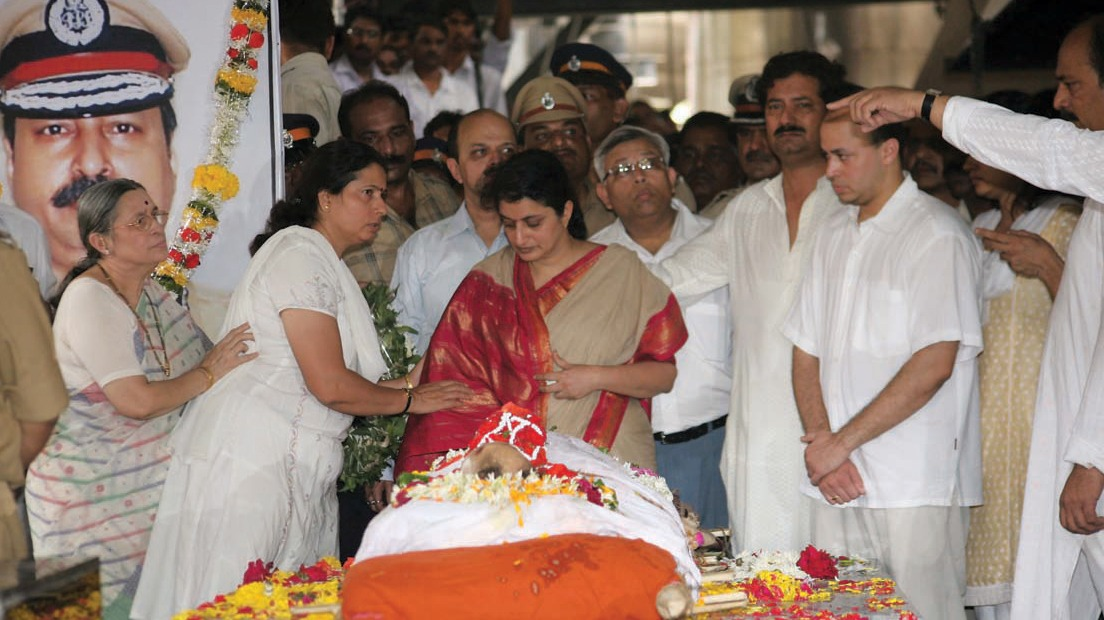
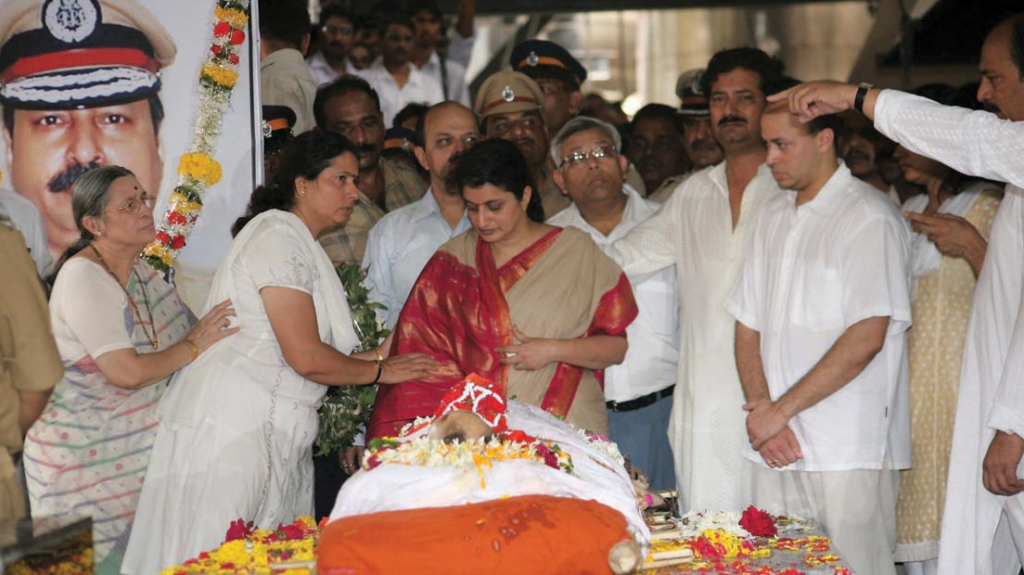
The outburst of middle class anger came only after they saw the politicians moving in to bake their bread on the funeral pyres of brave men who had lost their lives in the line of duty. There was a race among them. Some carried cash to the heroes’ homes and others rushed to express condolences to the families as if they knew them well. The politicians as a class failed to provide the lead in the fight against terrorism as they did not apply their minds to preparing the system for it. Instead, they fought over whether or not a stern law that can empower the police to detain anyone for long durations even on suspicion was needed or not. Is it their contention that the existence of such a law in the statute books will scare away terrorists? If so, God help us.