




























The markets are in a state of indecisiveness with confusion over the deciphering of the macro economic fundamentals, foreign inflows and the rapidly-changing international scenario. But they have shown incredible resilience in response to a series of bad news recently.
Meanwhile, the focus has clearly shifted to inflation at the cost of growth. Whereas the latter is seen to be slowing down to around 8% for the current financial year, the former has emerged as the most major concern due to spiralling oil prices, and rising food and commodity prices. The inflationary pressures building up in the economy have a direct fallout on interest rates and corporate profits.
The markets are also awaiting the RBI policy review in early May. The RBI is expected to announce a further hike in key interest rates. It is also widely believed that the prices of diesel and petrol are in for a steep hike as soon as the Assembly elections are over. This may further worsen the inflationary scenario. Inflation is therefore considered the main villain and is likely to remain high despite forecasts of a good monsoon this year. The markets have to come to terms with this reality.
The corporate results have been sending out mixed signals with majors like Infosys and Reliance being disappointing. Whereas banks and infrastructure companies are likely to perform well, cement and telecom are likely to disappoint. The markets have remained robust mainly on the strength of buying by domestic funds whereas retail participation has been almost absent and is likely to remain so until they are convinced of the secular nature of this bull run.
The markets have been rallying on the expectation of continuation of loose monetary policies by a majority of the central banks around the world. But the markets always discount the future in advance. As soon as they view the central banks’ intentions of tightening, they are in for a big correction. The way gold and silver prices have shot up in the recent past is cause for worry about the markets, at least in the short term. The valuations are also not cheap. The scope for a further upside, at least in the short to medium term, also seems narrow due to the limited earnings expansion in the forthcoming quarters.
Many of the small and mid-caps recently corrected by around 30-40% and are yet to rebound. Selective beaten down stocks can therefore be picked, irrespective of the way the market moves.
Retail investors typically invest in small and mid-cap stocks. There are still some excellent value picks in this space. Many of the small and mid-caps recently corrected by around 30-40% and are yet to rebound. Selective beaten down stocks can therefore be picked, irrespective of the way the market moves. Also, the Indian consumption story remains intact. The companies likely to benefit from the consumption growth remain good bets.
Ganesh Housing
(CMP Rs 150)
Ganesh Housing is an established real estate player in Ahmedabad and is considered amongst the top five real estate companies of Gujarat. It has so far developed 16.7 MSF of area, mainly in the residential space, and is likely to develop 24.46 MSF of area in the next 8-10 years. It currently has 662 acres (24.4 MSF) of land under development that is likely to provide it immense growth. Ahmedabad is emerging as one of the fastest growing commercial hubs in India and stands to benefit significantly from the ongoing industrial boom in Gujarat. The state boasts of 10% plus GDP growth rate, which is higher than the national average.
The company, despite having such a huge land bank, has never let its debt/equity ratio cross 0.2 – something that distinguishes it from other real estate players and makes it one of the safest companies in this space. Its revenues are likely to grow at a CAGR of around 70% till FY12 due to launches it plans which in turn will improve the key return ratios. At the current market price, the stock is available at a slight discount to its book value and very low floating stock due to high management stake gives further relief to those planning to enter at the current price. The stock offers decent returns in a time span of one year with very little downside.

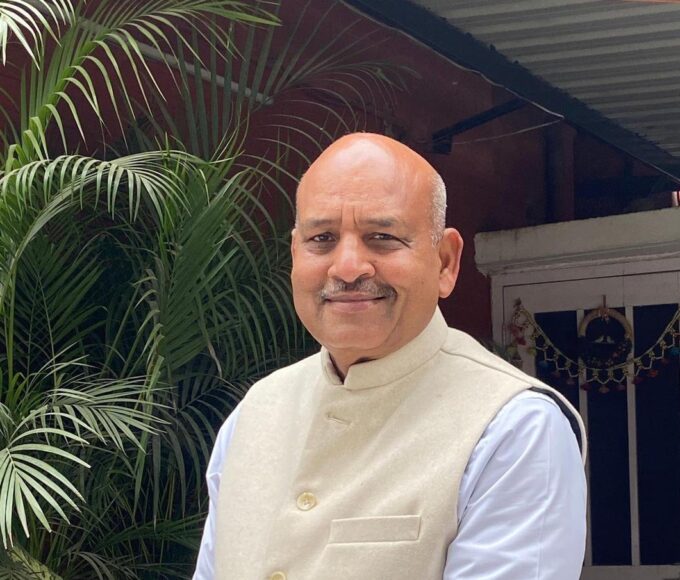
The author is retired as Professor from the University of Delhi in 2024. He is an alumnus of IIM Indore and holds a PhD from the Delhi School of Economics. An investor activist and former member of various SEBI committees. He taught Capital Markets and Investment Banking at leading business schools of India.