












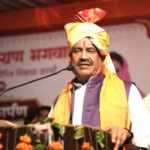


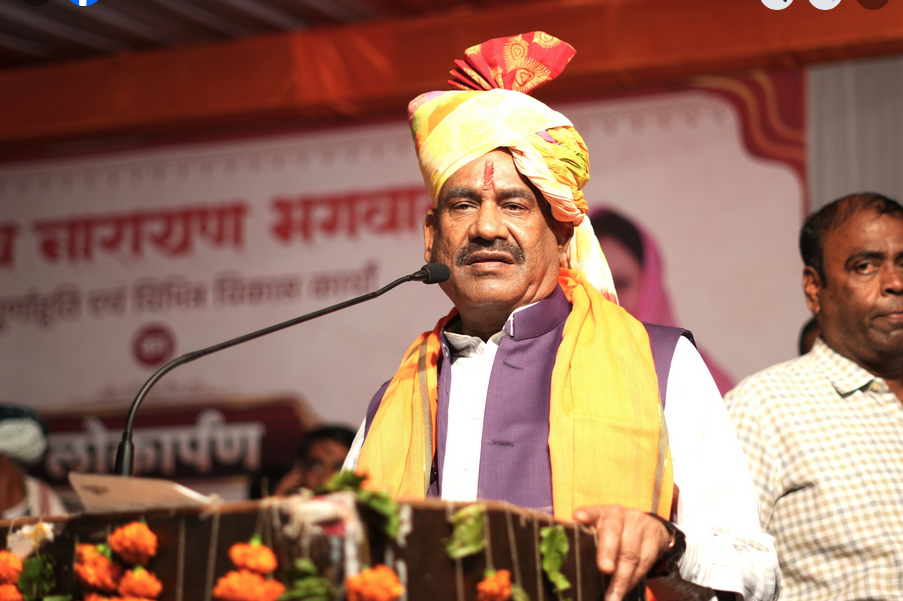
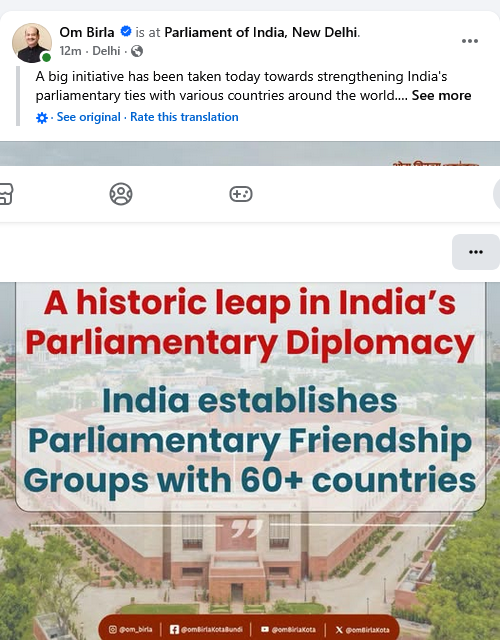
As a no-confidence motion against Lok Sabha Speaker Om Birla looms, his decision to constitute Parliamentary Friendship Groups with over 60 countries sparks murmurs in political corridors over timing, transparency and public expenditure.
With a no-confidence motion against Lok Sabha Speaker Om Birla slated for discussion on March 9, the day the House reconvenes after recess, political circles are abuzz over a parallel move to constitute Parliamentary Friendship Groups with more than 60 countries.
The large-scale outreach initiative, announced in recent days, envisages sending MPs and senior leaders across party lines to various countries to strengthen parliamentary engagement and project India’s democratic credentials globally. Different groups have been formed to build legislative bridges with partner nations, in a manner that some compare to Prime Minister Narendra Modi’s diplomatic outreach following Operation Sindoor, when India sought to put forward its position before the international community.
However, the timing of the initiative has prompted quiet discussion in political corridors. The no-confidence motion against the Speaker has been moved over alleged procedural lapses and decisions that sections of the Opposition describe as contentious. Critics privately question whether the expansive diplomatic exercise is aimed at reshaping perceptions amid mounting criticism.
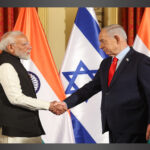
According to sources, the Speaker has constituted Friendship Groups with over 60 countries in the first phase itself, with plans to expand further. The outreach includes engagement with nations such as United States, Russia, United Kingdom, France, Japan, Australia, Saudi Arabia, Israel and the European Parliament, among others.
Senior leaders from across the political spectrum have been appointed to head these Friendship Groups. Those named include P. Chidambaram, Shashi Tharoor, Ravi Shankar Prasad, T. R. Baalu, K. C. Venugopal, Akhilesh Yadav, Asaduddin Owaisi, Abhishek Banerjee, Supriya Sule and Anurag Thakur, among others.
Additional leaders such as Ram Gopal Yadav, Gaurav Gogoi, Kanimozhi Karunanidhi, Manish Tewari, Derek O’Brien, Rajiv Pratap Rudy, Sanjay Singh, Baijayant Panda, Nishikant Dubey, Bhartruhari Mahtab, D. Purandeswari, Sanjay Kumar Jha, Hema Malini and Praful Patel have also been assigned leadership roles in various country groups.
Questions are also being raised about expenditure. The Lok Sabha Speaker, as a constitutional authority, operates a discretionary fund. By convention, such spending is not ordinarily subjected to parliamentary discussion on the floor of the House. Critics argue that a global outreach of this scale would involve substantial public expenditure, though official details of the outlay have not been disclosed.
Supporters of the move maintain that parliamentary diplomacy is a legitimate and necessary instrument of foreign engagement, particularly for a country that positions itself as the world’s largest democracy. They argue that cross-party representation in these Friendship Groups reflects institutional continuity rather than political calculation.
As the House prepares to reconvene, the diplomatic initiative and the no-confidence motion are set to intersect in a politically charged atmosphere—placing both the Speaker’s authority and his latest outreach under scrutiny.

Renu Mittal
Renu Mittal is a veteran Journalist of India. She has been reporting on the Congress Party affairs since 1983.
- Abhishek Banerjee
- Akhilesh Yadav
- Anurag Thakur
- Asaduddin Owaisi
- Baijayant Panda
- Bhartruhari Mahtab
- BJP4India
- Congress Party
- D. Purandeswari
- Derek O'Brien
- Gaurav Gogoi
- Harivansh
- Hema Malini
- K C Venugopal
- Kanimozhi Karunanidhi
- Manish Tewari
- Nishikant Dubey
- Om Birla
- P. Chidambaram
- Parliament of India
- Praful Patel
- Priyanka Gandhi
- Rahul Gandhi
- Rajiv Pratap Rudy
- Ram Gopal Yadav
- Ravi Shankar Prasad
- Sanjay Kumar Jha
- Sanjay Singh
- Shashi Tharoor
- Supriya Sule
- T. R. Baalu