





















If you rely on nightly news bulletins, the story of India and China is simple, breathless, and written in permanent ink. It is a tale defined by the trauma of 1962, the jagged scars of the Line of Actual Control, the echoing standoffs of Galwan, and a zero-sum race for global supremacy. We are conditioned to view our northern neighbour as a monolith of ambition and threat, and little else.
But what if everything you think you know about the Dragon and the Elephant is a carefully curated illusion?
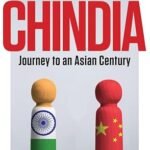
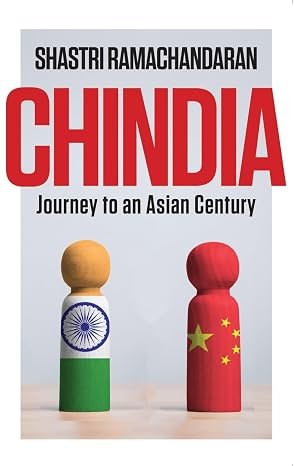
Veteran journalist and foreign affairs insider Shastri Ramachandaran spent some years working inside the belly of the beast—writing and editing for state-backed media institutions in Beijing while maintaining an unblinkered, critically Indian perspective. In his explosive and eye-opening book Chindia: Journey to an Asian Century (which expands upon his incisive groundwork in Beyond Binaries), Ramachandaran rips away the velvet curtain of official propaganda and diplomatic handshakes to expose the raw, messy reality of how the two Asian titans actually view, fear, and secretly depend on one another.
This is not another dry academic text weighed down by policy jargon. It reads almost like an intelligence dossier, pulling back layers of statecraft to examine the internal contradictions of a rising China and the reactive blind spots of contemporary India. Ramachandaran takes us behind closed doors—into newsrooms where censorship is a daily negotiation, across Tibet and Xinjiang, and through the smoky backchannels of Asian geopolitics where third-party global powers quietly stoke the flames to keep Delhi and Beijing at loggerheads.
Yet, what makes this book truly unsettling—and deeply fascinating—is its refusal to pander to popular outrage. Ramachandaran delivers a sharp, unsparing critique of Indian media and strategic circles, accusing them of an unhealthy, single-issue obsession with China that clouds clear-headed statecraft. At the same time, he refuses to romanticize Beijing’s rise, exposing the hidden fault lines of China’s economic deceleration, appalling income disparities, and social restiveness that state media works overtime to conceal.
The book goes beyond the border issue, geopolitics, geostrategy, AI and military and security matters to tell us stories of human beings in China: of how people are in the media and the party; the tribulations of workers in Beijing; the inflictions of the one-child policy as much as the daunting obstacles faced by couples wanting more children; about bogus ‘medicine men’ who flourish till they are exposed as quacks; corruption, which is very human; and so much else by way of details of living conditions and lifestyles in China. These set the book apart from other books by Indians, be it on China or bilateral relations.
Why should you read this book? Because it challenges you to think like a geopolitical insider rather than a passive spectator. In an era where hyper-nationalism dictates public discourse, Ramachandaran provides a rare, antidote-strength dose of objectivity. He forces us to confront an uncomfortable truth: despite border skirmishes and mutual distrust, the economic realities of the twenty-first century mean that cooperation and co-existence are not just choices, but an inescapable geographic destiny.
If you want to look past the political posturing, understand the hidden levers moving Asia’s chessboard, and discover why the future of the world depends on a relationship broken into a thousand jagged pieces yet begging to be mended, open this book. It will change the way you read the morning headlines forever.



Leave a comment