




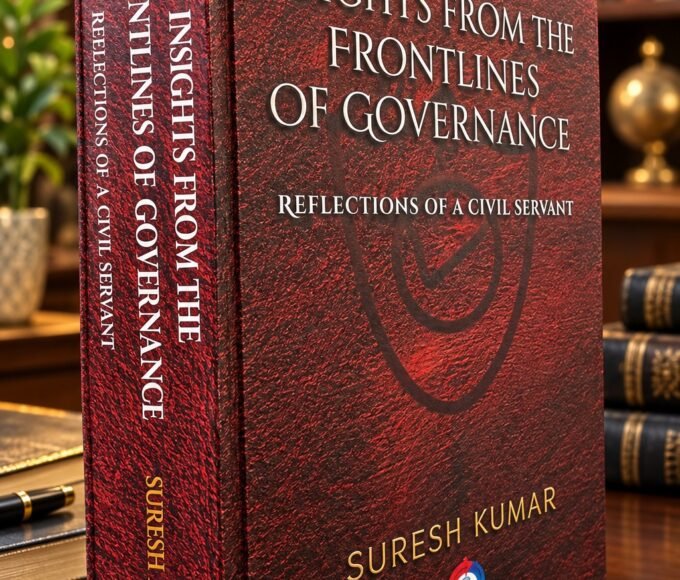


























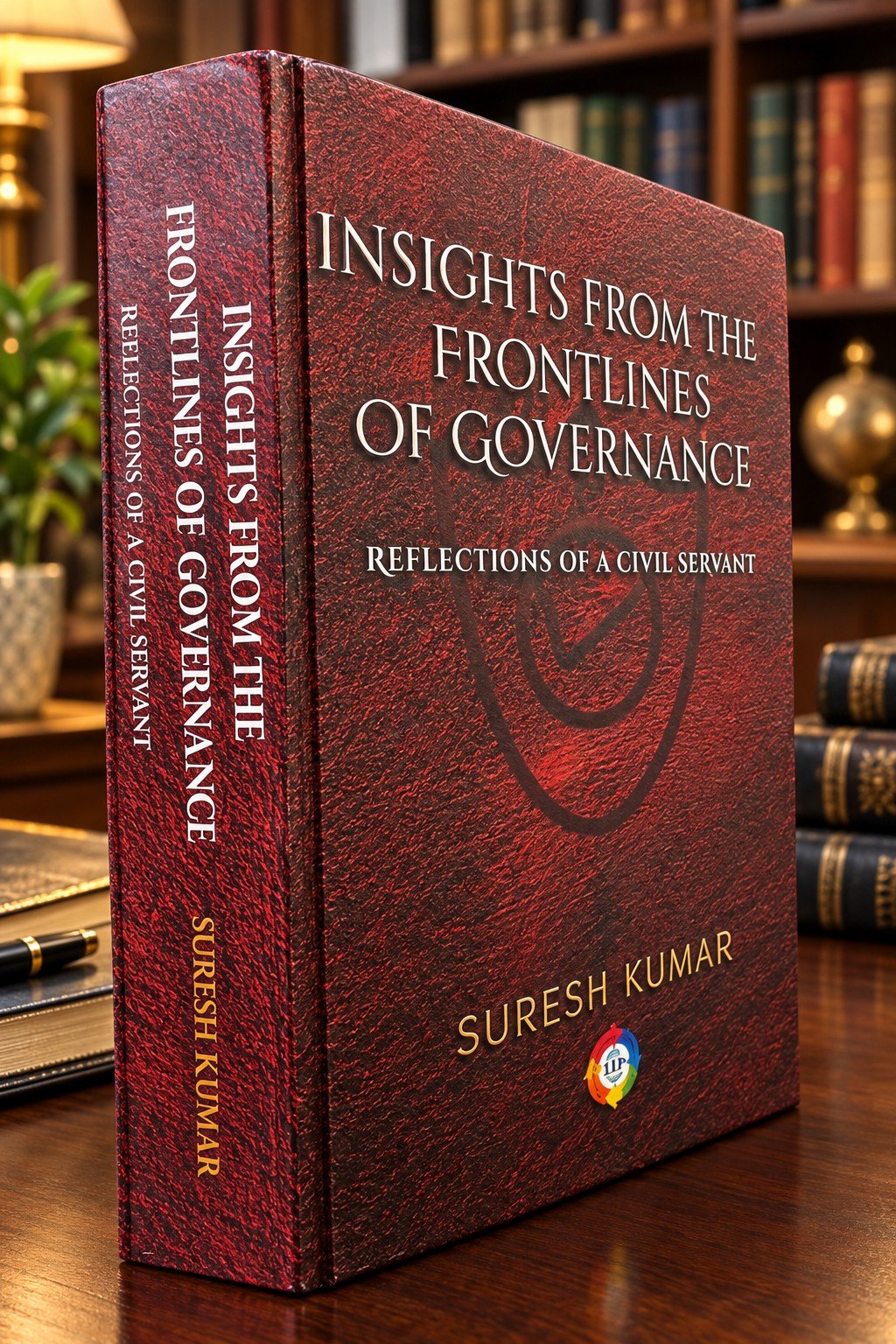
A rare insider’s account of governance, revealing the gap between policy design and ground-level execution through the experiences and reflections of senior civil servant Suresh Kumar.
Overview
Public administration is often viewed through the lens of academic theories, policy blueprints, and political debate. Rarely do we get an insider’s perspective that bridges the gap between high-level policy design and the messy, complex realities of ground-level implementation. Sh. Suresh Kumar’s ‘Insight from the Frontlines of Governance: Reflections of a Civil Servant’ provides precisely that bridge. Drawing from a distinguished career in public service, rising to the level of Chief Principal Secretary, Sh. Kumar offers a deeply reflective and analytical account of what it truly takes to govern, lead, and execute reform within the administrative framework.
Key Themes & Critical Analysis
1. The Reality of Policy Implementation
One of the book’s strongest contributions is its unfiltered look at the journey a policy takes from conceptualization to execution. While ministers and experts draft blueprints, civil servants bear the responsibility of transforming vision into action. Sh. Kumar effectively demonstrates that the success of any public program—whether in agricultural reform, rural development, or state capacity building—hinges on the efficiency and adaptability of frontline delivery systems. The book underscores a vital truth: bad execution can ruin a good policy, but strong implementation can adapt and fix a flawed framework.
2. Institutional Leadership and Ethics
At its core, the narrative is an exploration of public service leadership. Navigating complex political environments, bureaucratic inertia, and shifting public expectations requires a delicate balance of political savvy and unwavering ethical integrity. Sh. Kumar addresses the dilemmas faced by administrators when balancing political mandates with public interest. His reflections serve as a practical guide for institutional leadership, illustrating how civil servants can maintain autonomy, build high-performing teams, and foster public trust.
3. Federalism and Ground-Level Governance
Federal-state relations in governance can often lead to friction or misalignment. Through personal anecdotes and structural analysis, the author highlights how policy execution varies across regions and administrative tiers. The book emphasizes the importance of grassroots feedback loops, arguing that top-down approaches frequently fail when they ignore local socioeconomic realities.
Strengths of the Book
Grounded Authenticity: Unlike textbook policy studies, the book benefits from the author’s practical experience, providing concrete examples of decision-making under pressure.
Balanced Perspective: Kumar avoids both cynicism about bureaucratic inertia and overly idealistic depictions of public reform, offering a constructive and pragmatic outlook.
Scannability and Structure: The narrative clearly articulates complex governance models in a coherent, accessible manner, making it an engaging read for experts and laymen alike.
Areas for Reflection
While the book offers a rich internal perspective on civil service, readers seeking a radical critique of bureaucratic structures might find the analysis firmly rooted within the established administrative system. The focus remains heavily on reforming and optimizing existing machinery rather than replacing it.
Final Verdict
Insights from the Frontlines of Governance is an essential read for aspiring administrators, public policy professionals, political analysts, and any citizen interested in the mechanics of statecraft. Sh. Suresh Kumar delivers an insightful, candid, and deeply practical exploration of leadership, administrative ethics, and public welfare, reminding us that effective governance is ultimately a human endeavour built on commitment, integrity, and adaptability.
(Views expressed are personal)

Virender Singh
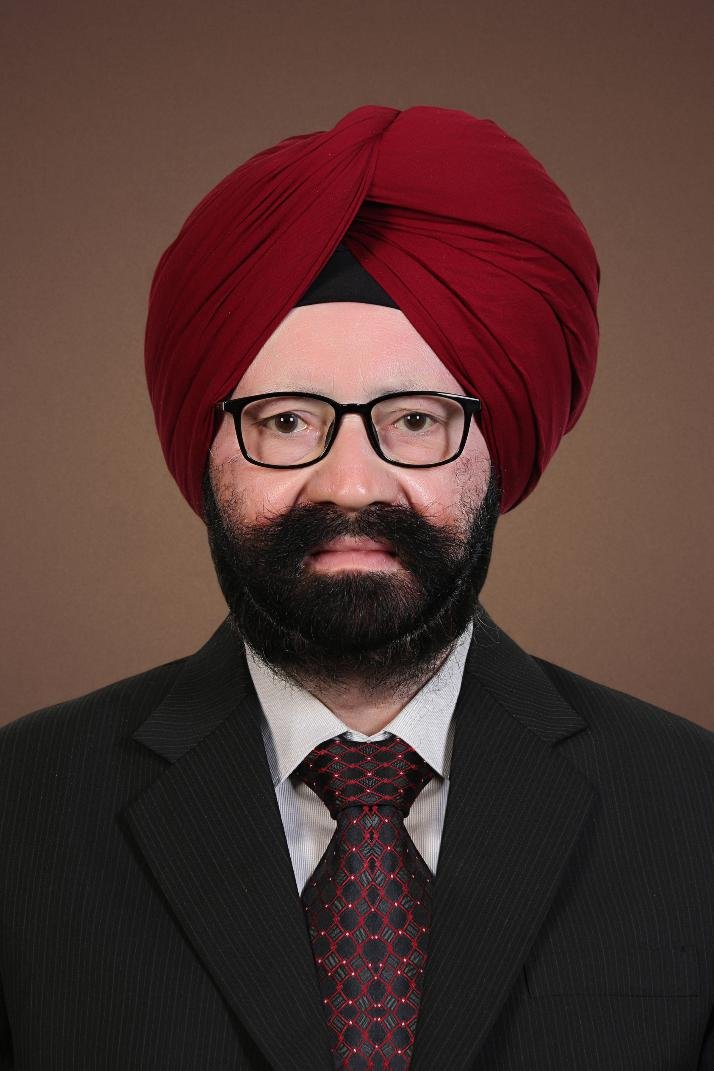
VIRINDER SINGH,Ex-Member Punjab State Electricity Regulatory Commission.


Leave a comment