



























There is a distinct aroma of stale file dust, high-stakes intercept transcripts, and midnight cabinet briefings that lingers around books written by retired spymasters. Usually, they fall neatly into one of two predictable categories: hagiographic memoirs designed to polish the author’s service record with selective retellings of valour, or defensive bureaucratic whitepapers arguing that the system is functioning fine if you just ignore the leaks in the roof.
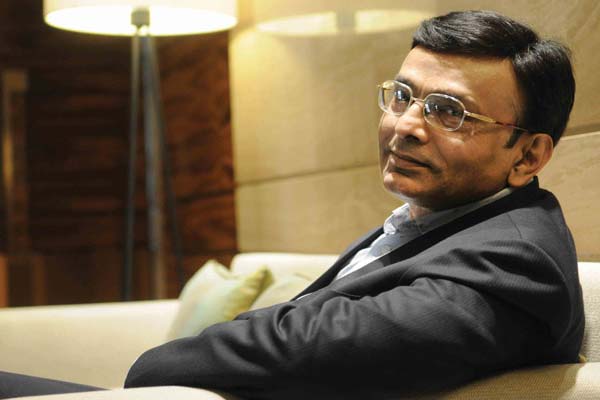
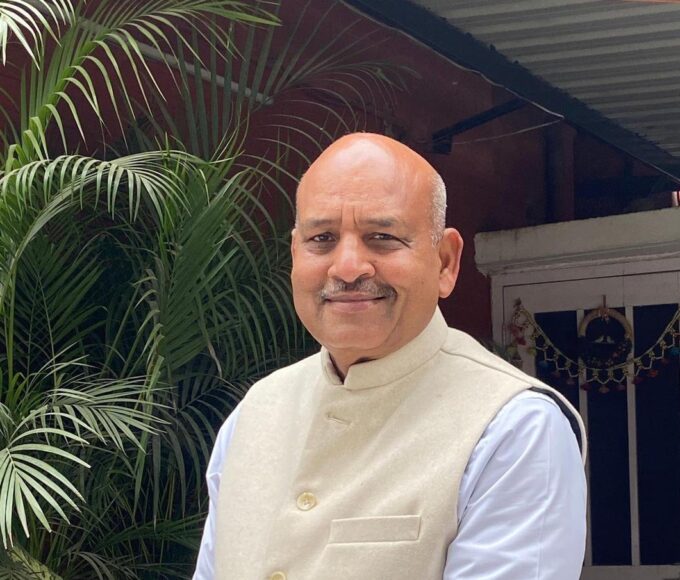
Yashovardhan Azad, a former Special Director of the Intelligence Bureau, former Secretary (Security) in the Cabinet Secretariat, and former Central Information Commissioner, has no patience for either.
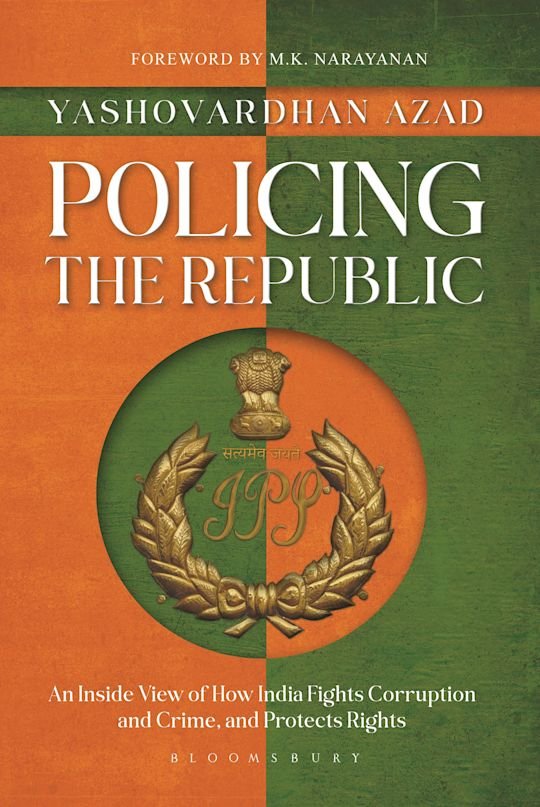
In his explosive and comprehensive book Policing the Republic: An Inside View of How India Fights Corruption and Crime and Protects Rights (published by Bloomsbury India with a sharp-eyed foreword by former National Security Advisor M.K. Narayanan), Azad delivers something raw, diagnostic, and remarkably uncomfortable. Growing up in the ideological crucible of 1970s Bihar—amidst the smoke of caste militias, student uprisings, and gang wars, as the son of freedom fighter and former Chief Minister Bhagwat Jha Azad—he didn’t just read about the mechanics of the Indian state; he watched them fracture early on. Four decades inside the IPS, the IB, and the high-security establishment later, Azad has written a book that reads less like a standard review of law enforcement and more like an emergency health chart of Indian democracy.
The Pathology of Institutional Power
What makes Policing the Republic stand out in contemporary political non-fiction is its refusal to treat systemic decay as a series of isolated accidents. Azad lays bare how the structural wiring of India’s law enforcement and investigative apparatus has been deliberately frayed by political expediency.
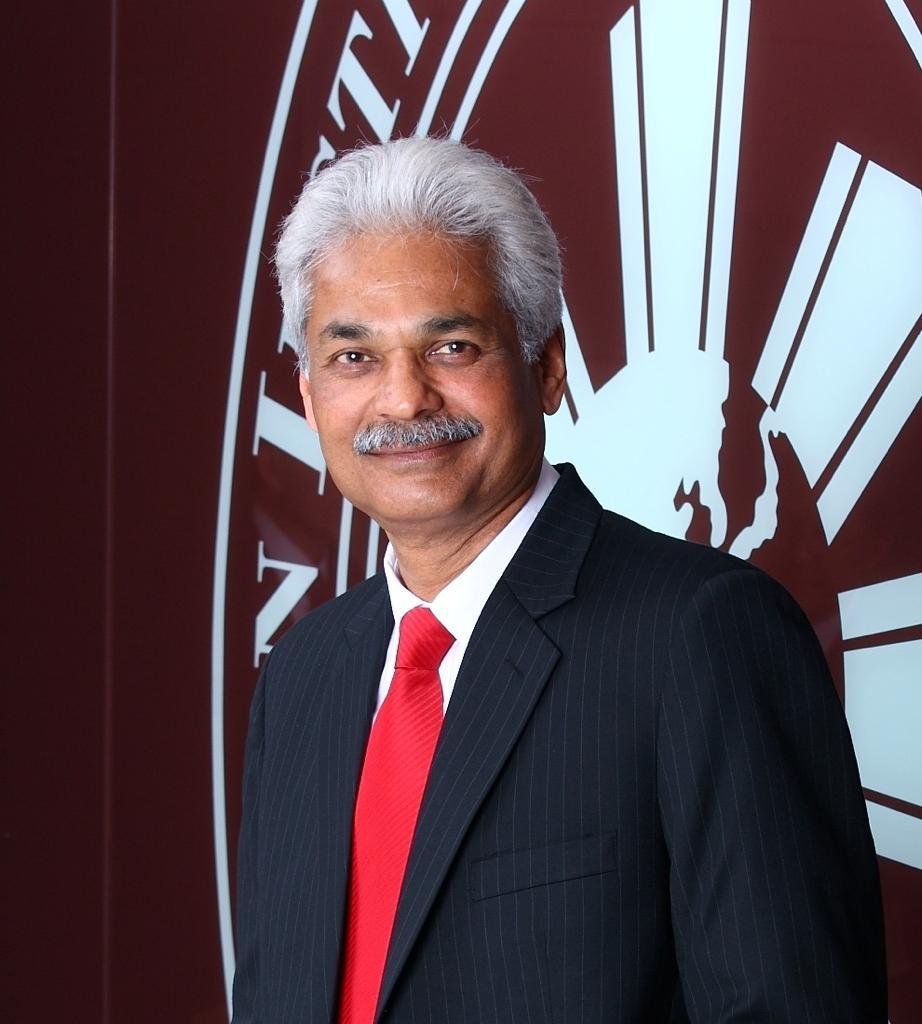
Yashovardhan Jha Azad is a distinguished retired Indian Police Service (IPS) officer of the 1976 batch whose career spans nearly four decades across India’s premier national security, intelligence, and administrative oversight institutions.
He served as a Special Director in the Intelligence Bureau (IB), where he managed critical domains including counter-terrorism, strategic intelligence, and executive protection. He later held the apex position of Secretary (Security) in the Cabinet Secretariat, acting as the government’s top risk and security official responsible for protecting the Prime Minister and coordinating the national Crisis Management Group.
He slices straight through the rhetoric of modernization to examine the ugly underbelly of Indian governance:
The Criminal-Politician Nexus: How electoral survival has forced political parties to mainstream muscle power, effectively turning state police forces into instruments of patronage rather than impartial guardians of the rule of law.
The Rot of Investigation: Why high-profile criminal probes routinely collapse under systemic political pressure, institutional inertia, and archaic investigative frameworks.
The Counter-Terrorism Dilemma: Balancing the heavy-handed demands of national security, border insurgencies, and intelligence operations with the fragile preservation of citizen civil liberties in an increasingly surveillance-heavy state.
Beyond the Badge: The Transparency Lens
Crucially, Azad does not write from a safe ivory tower. Having spent his post-retirement years serving as a Central Information Commissioner—where he processed and disposed of over 8,000 RTI cases—he understands how desperately the Indian administrative machinery guards its own opacity. He knows intimately that every time a police station is co-opted by local satraps, or every time an intelligence input is ignored due to political hubris, the Republic shrinks a little bit more.
Yet, the book avoids drifting into cynical despair. Beneath the hard-hitting critique of institutional rot lie pragmatic, hard-headed administrative solutions. Azad argues that police autonomy and systemic reform are not internal departmental luxuries; they are foundational prerequisites for keeping India’s democratic experiment alive.





Leave a comment