
























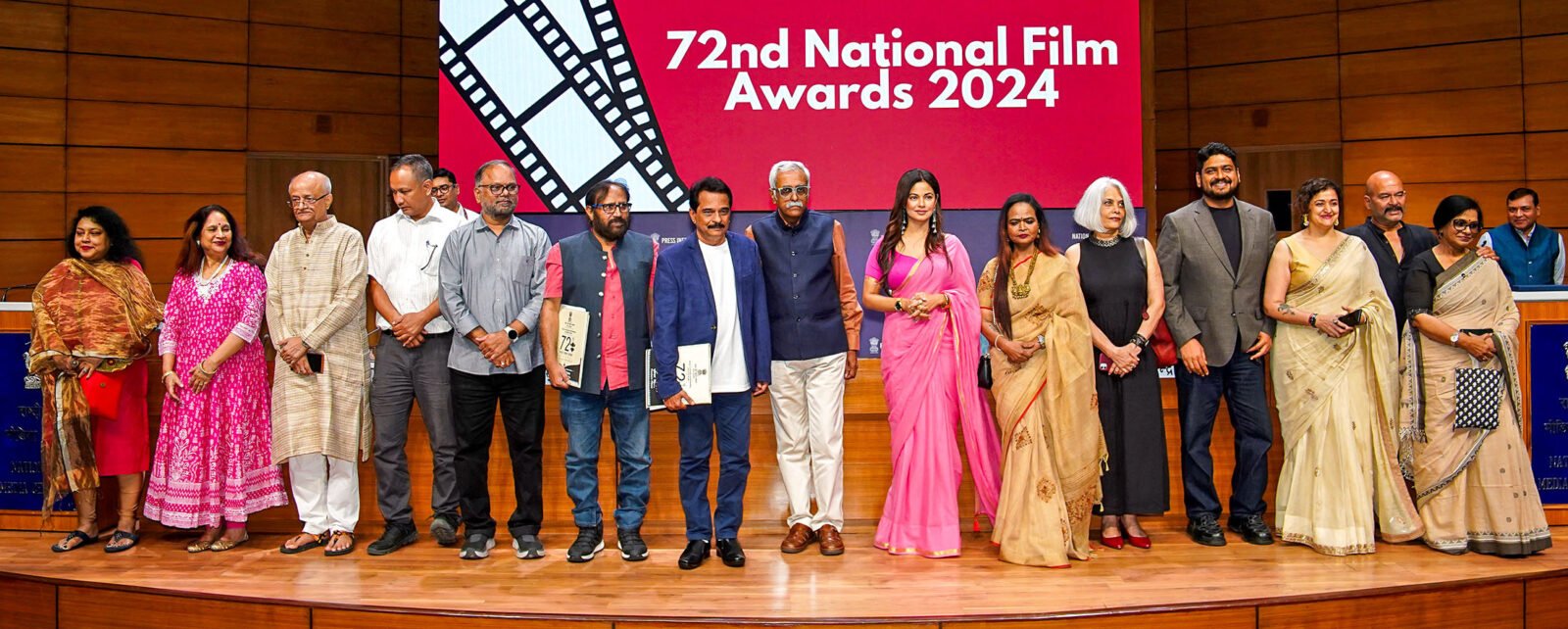
The 72nd National Film Awards may be remembered less for who won than for what they reveal about the changing soul of Indian cinema. A decade ago, the country’s highest cinematic honours largely celebrated human dramas, family stories and artistic experimentation. Today, the jury appears increasingly drawn to films that engage with national identity, constitutional change, military sacrifice, social injustice and political conflict. This year’s awards reflect a new cinematic mood—one in which filmmakers are no longer afraid to tackle contentious issues, and audiences are rewarding them for it.
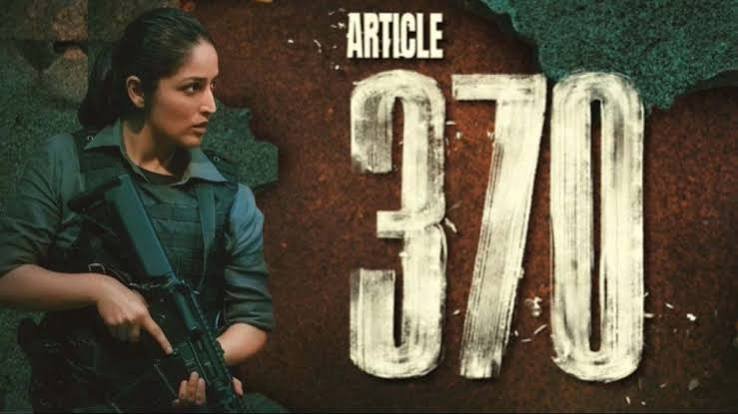
The triumph of Article 370 as Best Feature Film, the recognition of Amaran as Best Director, Captain Miller for promoting national and social values, and the acting honours for Mammootty, Kartik Aaryan and Yami Gautam together point to a clear trend: Indian cinema is entering an era where political thrillers, patriotic dramas and socially conscious storytelling are moving from the margins to the mainstream.
At the centre of this transformation stands Article 370, directed by Aditya Suhas Jambhale. The film reconstructs one of independent India’s most consequential political decisions—the abrogation of Article 370 in Jammu and Kashmir—not as a dry political chronicle but as an edge-of-the-seat intelligence thriller. Through covert operations, counter-terrorism missions and constitutional manoeuvring, it captures the tension surrounding a defining moment in controversial modern Indian history.
The jury’s decision to honour the film as the year’s best feature is significant. It is perhaps the clearest signal yet that politically themed cinema, once considered too sensitive for mainstream recognition, is now being judged primarily on cinematic merit. The award also validates Yami Gautam’s commanding portrayal of an Intelligence Bureau officer navigating terrorism, bureaucracy and political uncertainty. It is arguably the finest performance of her career, delivered with remarkable restraint rather than melodrama.

The same understated patriotism runs through Captain Miller, which won the award for Best Feature Film Promoting National, Social and Environmental Values. Set during British rule, director Arun Matheswaran’s period drama follows a soldier who turns revolutionary after confronting the brutal realities of colonial oppression. Beneath its action sequences lies a thoughtful exploration of freedom, dignity and resistance—values that resonate well beyond its historical setting.
Yet, if one individual symbolises the artistic excellence celebrated by this year’s awards, it is Malayalam cinema’s towering legend Mammootty. Sharing the Best Actor honour for Bramayugam, Mammootty once again demonstrated why he remains one of India’s greatest living actors. Directed by Rahul Sadasivan, Bramayugam is an audacious work of cinema. Shot entirely in black and white, it combines horror, folklore and psychological drama into an unsettling meditation on power, caste and human greed. Mammootty plays an enigmatic feudal landlord whose decaying mansion becomes both a physical prison and a metaphor for oppression itself.
There are no conventional heroic moments, no elaborate action sequences and no emotional excess. Instead, Mammootty relies on silence, subtle expressions and commanding screen presence to create one of the year’s most unforgettable performances. Four decades into his career, he continues to reinvent himself, reaffirming Malayalam cinema’s reputation as India’s finest laboratory for bold storytelling. Of course, the other crucible is Bengal, both ruled by communists once.
Sharing the Best Actor award with him is Kartik Aaryan, whose transformation in Chandu Champion marks a defining moment in his career. Known largely for romantic comedies, Kartik surprised critics by portraying Paralympic champion Murlikant Petkar with extraordinary commitment. Directed by Kabir Khan, the biographical drama traces the life of a soldier whose wartime injuries could have ended his dreams but instead propelled him towards sporting immortality. The film celebrates resilience rather than victory, making it one of the year’s most inspiring stories.

The supporting categories further reinforce the jury’s preference for films grounded in social realities. Veteran actor Sanjay Mishra won Best Supporting Actor for Bhakshak, a disturbing investigation into abuse inside a government-run shelter home. Directed by Pulkit, the film exposes institutional failure and systemic injustice through the lens of investigative journalism.

The Best Supporting Actress award was shared by Ropashree Varkady for Mithya, a Kannada courtroom drama examining faith, gender and justice, and Sachana Namidass for Maharaja, Tamil cinema’s acclaimed revenge thriller directed by Nithilan Saminathan. While Maharaja unfolds as a gripping mystery, it ultimately becomes a deeply emotional exploration of parental love, trauma and redemption.

The 70h National Film Awards honoured Aattam, a Malayalam psychological drama exploring gender, consent and power. The following year, 12th Fail emerged as Best Feature Film while Sam Bahadur celebrated military leadership through the life of Field Marshal Sam Manekshaw. Together, these films signalled a growing appetite for stories rooted in contemporary realities rather than escapist fantasy.
I was surprised at Kalki 2898 qualified for the best film under wholesome entertainment. It was a dystopian fragmented film inspired by Tolkinen, JK Rowling, Game of Thrones and Star Trek sagas — the story sucked, but it should have won for best Art Direction — sets were magnificent, location shotting was excellent, actors costumes were dramatic and compelling. I dont think the jury recognised these merits of the film.
The 72nd Awards take that trajectory even further. Political thrillers, military biographies, investigative dramas, courtroom narratives and psychologically complex horror films have become the new face of award-winning Indian cinema. Filmmakers are increasingly drawing inspiration from real events, constitutional debates, social injustice and historical memory. Genre itself has evolved. Thrillers now carry political ideas, horror explores social hierarchies, and patriotic films examine the human cost of national service instead of merely celebrating victory.
Regional cinema has played a decisive role in this transformation. Malayalam filmmakers continue to set benchmarks for writing and performances. Tamil cinema has delivered ambitious works such as Amaran, Captain Miller, Maharaja and Raayan. Kannada cinema is producing courtroom dramas and social commentaries of remarkable maturity, while Telugu cinema balances commercial appeal with emotionally grounded storytelling. For decades, Mumbai’s Hindi film industry dominated the National Awards conversation. Today, the honours belong to a truly pan-Indian cinema where language matters less than the power of the story.
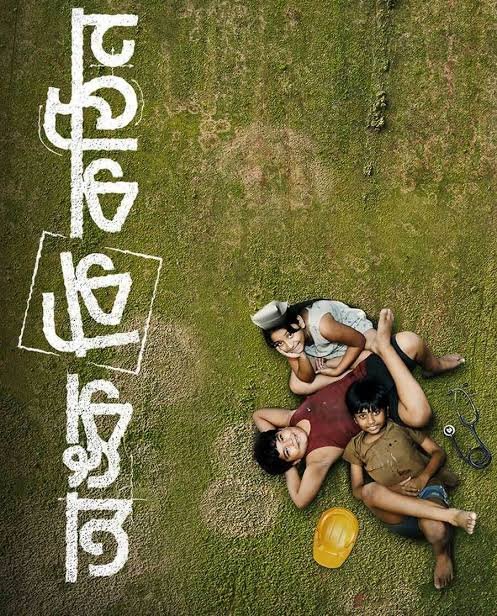
The awards have truly broken linguistic barriers or family run studios or dynastic film families cornering awards.
The 72nd National Film Awards are more than an annual celebration of filmmaking. They signal the arrival of a new cinematic age—one in which politics is no longer taboo, patriotism carries emotional depth, and regional storytellers are reshaping the artistic standards of Indian cinema. If these awards indicate where Indian films are headed, the future belongs to stories that challenge audiences as much as they entertain them.

Contributor, IANS - Washington DC/New York
Executive Editor, Corporate Tycoons - Pune, India
Executive Editor, The Flag Post - Bengaluru, India
Contributor, The Statesman, Hindu Business Line, Sarkaritel.com, Diplomacyindia.com
Former Economics Editor, PTI - New Delhi, India
Former Communications Advisor,
Alstom Group of Companies, SA - France/Belgium